1. Sleeve Seam Landing Test (No Pull, No Gap)
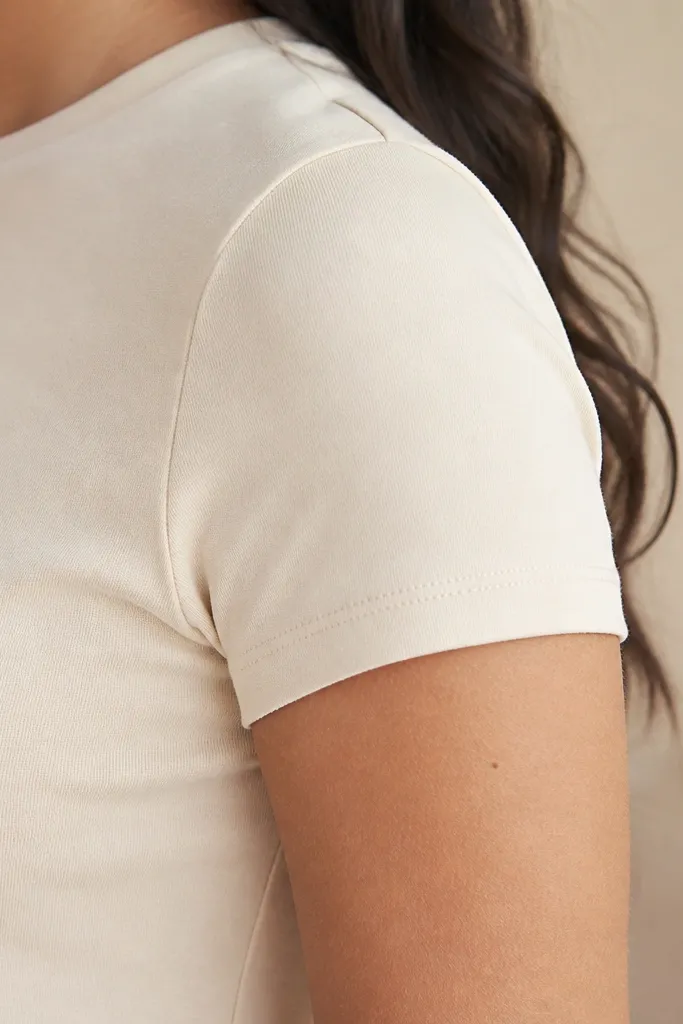
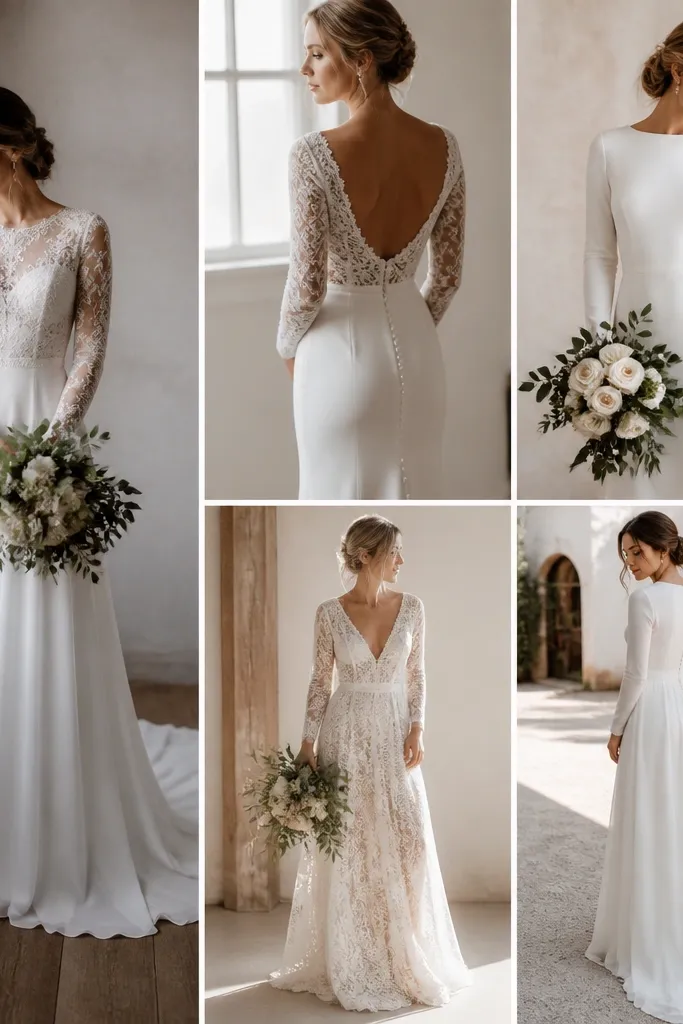
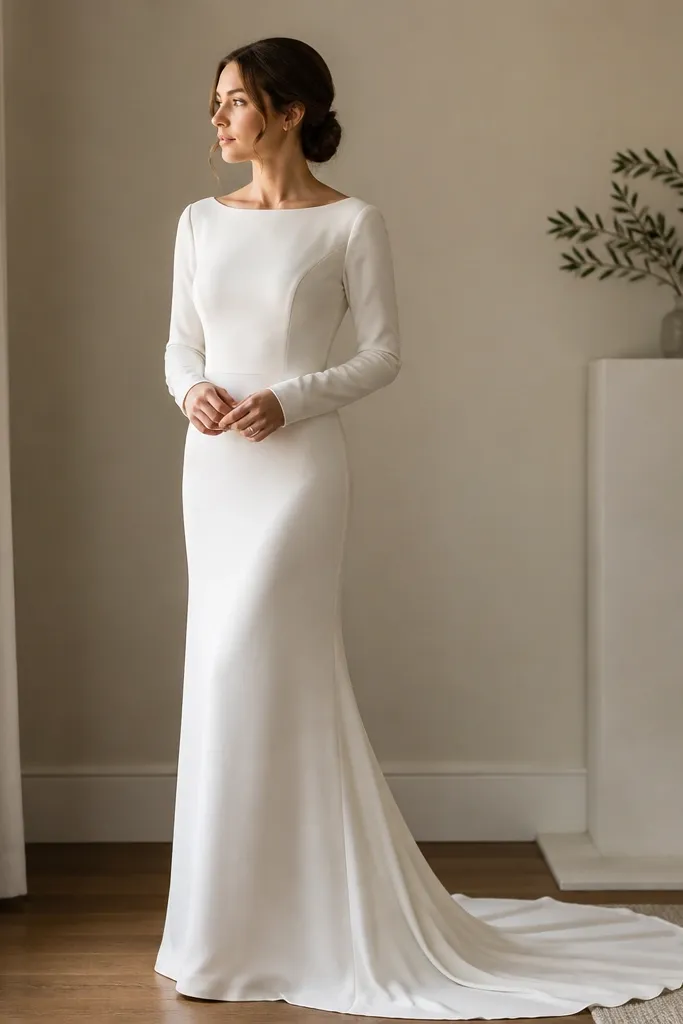
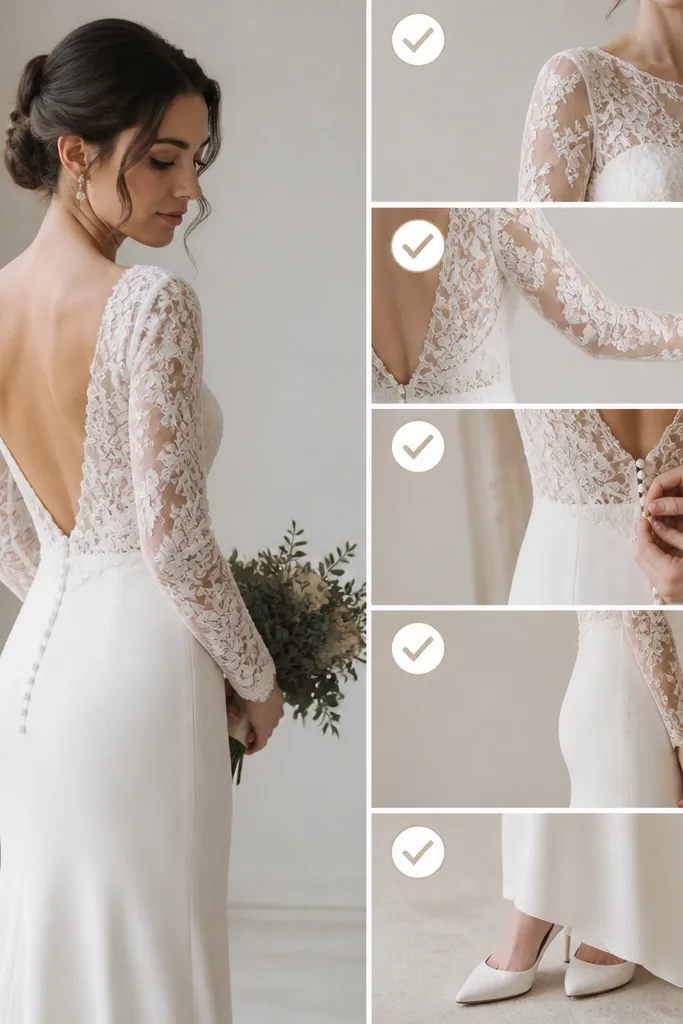
Place your hands by your sides and check where the sleeve seam lands. A well-set seam sits near the natural shoulder edge and won’t pull across the bicep or leave a gap at the top. This matters most with fitted lace sleeves and satin long sleeves because tension shows up as wrinkles in photos.
Good to knowTake a mirror photo front and side. If you see diagonal pulling lines across the upper arm, size up or choose a different sleeve width.
2. Armhole Comfort Check (Raise Your Arms)
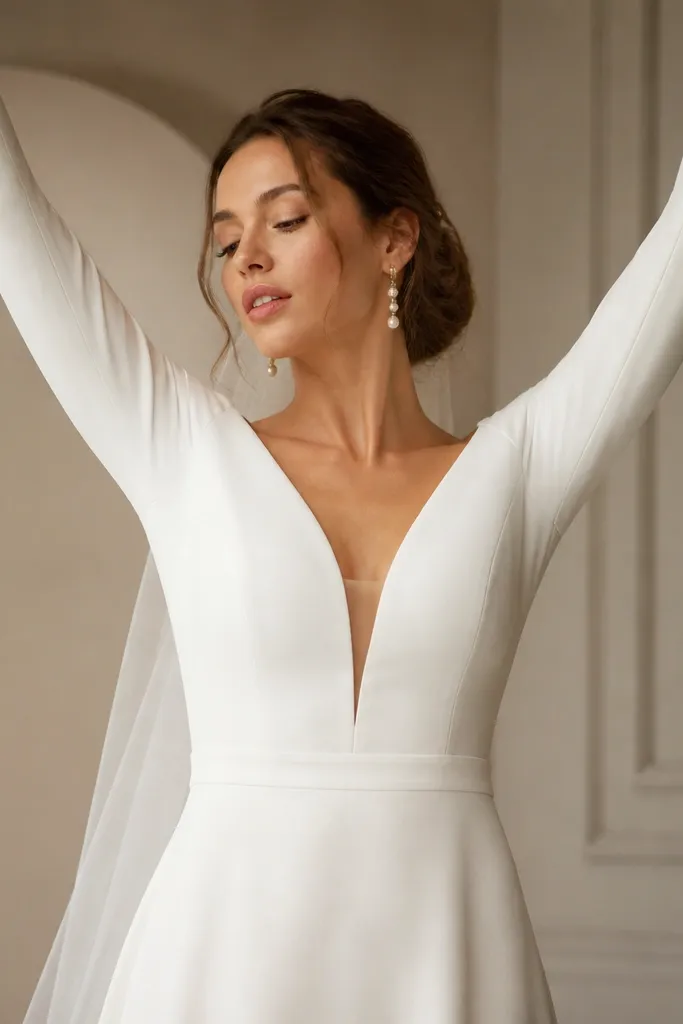
Raise both arms slowly overhead like you’re adjusting your veil. The underarm and side seam should stay smooth, not pinch or create a horizontal “drag line.” If the dress feels tight at the armhole, you’ll feel it during photos, hugs, and the ceremony.
Good to knowDo 10 slow reps (down-up). If you see strain after 3 reps, plan for an armhole alteration before purchase.
3. Bicep Width vs. Bunching Test
Try bending your elbow about 90 degrees. Tight bicep width causes pulling and creases; too much width causes bunching that can look bulky in movement. Lace sleeves often hide small fit issues, but satin and mikado reflect the problem clearly.
Good to knowPick the sleeve finish you want: if you love clean lines, choose a sleeve that stays smooth at the elbow while bent.
4. Wrist Closure Fit (Button or Cuff)
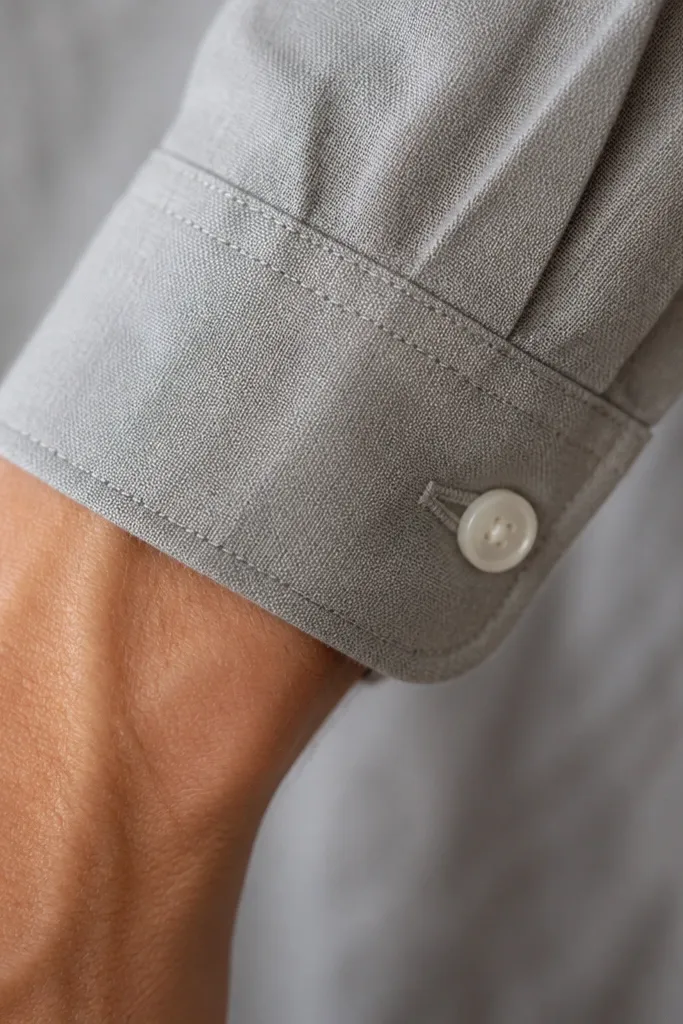
Check how the cuff sits when your hand is relaxed. A perfect wrist fit feels snug but not compressing, and it should not slide up when you move. For button closures, the spacing should stay aligned — misalignment can mean the sleeve length is off or the wrist band is too narrow.
Good to knowOpen and close your hand 5 times. If the cuff rides upward, you’ll likely need a sleeve adjustment.
5. Elbow-to-Forearm Seam Alignment
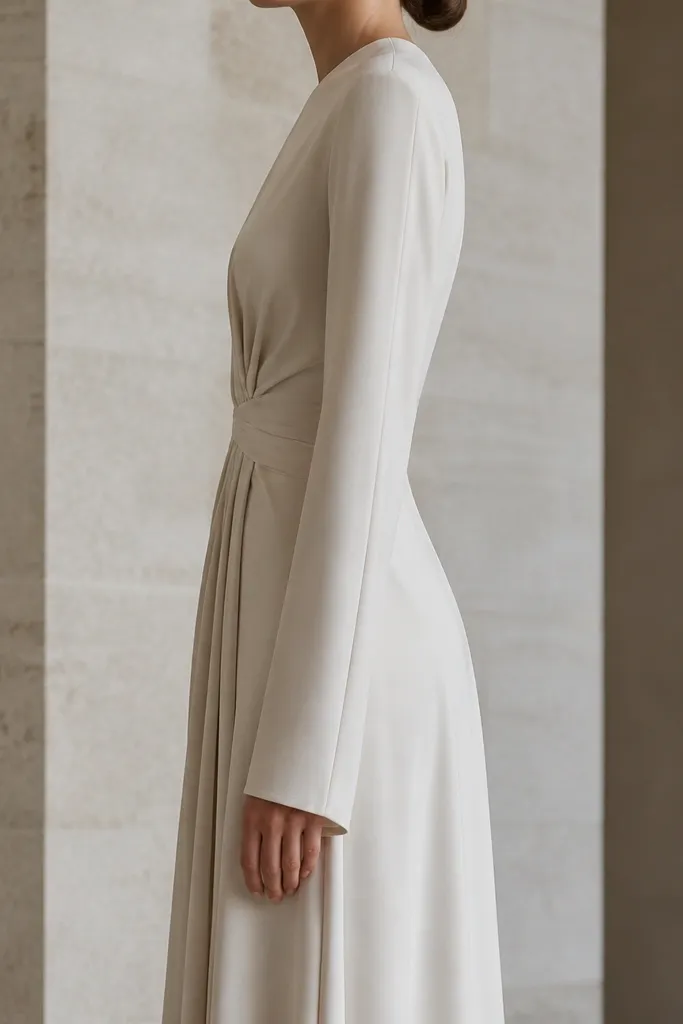
Many long sleeve designs have seam shaping that looks great straight on but can twist when you bend. Align the seam while standing and then repeat while holding your arms slightly forward. Misalignment can create a diagonal wrinkle that shows up in candid shots.
Good to knowBend your elbow and check if the seam “rotates.” If it does, consider a different sleeve construction or tailoring.
6. Underbust-to-Waist Smoothness (No Sleeve Drag)

Even if the sleeves fit, the bodice can still pull and create diagonal tension lines. Look for fabric that stays smooth from underbust to waist when you inhale and exhale. If your sleeves are slightly too tight, they can “drag” the bodice fabric and make the waist look uneven.
Do a slow breath-in. If lines appear from sleeve area toward the waist, size or tailor the bodice, not just the sleeves.
7. Neckline-to-Sleeve Balance (Avoid Shoulder Slump)
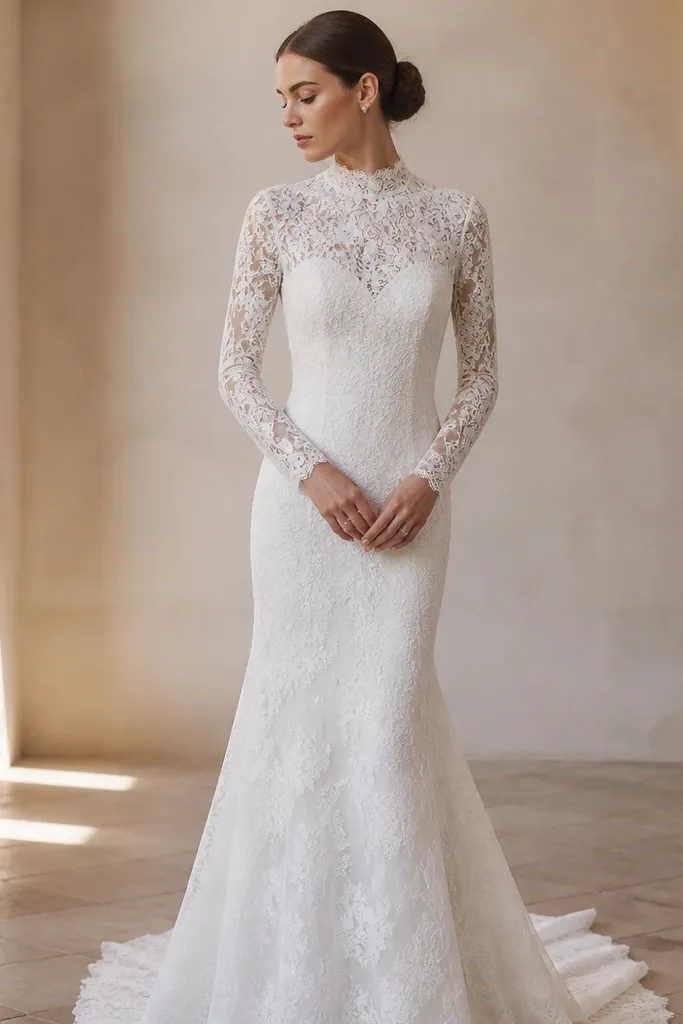
High necklines and bateau necks can make shoulder fit more noticeable. If the sleeve top is too low or the neckline sits off, the shoulder can slump and create a “pooling” effect near the upper chest. This is common with lace overlays because they add weight and change how the neckline supports.
Check with your shoulders relaxed. If one side looks lower, try a different size or consider shoulder padding adjustments.
8. Hem-Length for Long Sleeve Movement (Walk Test)
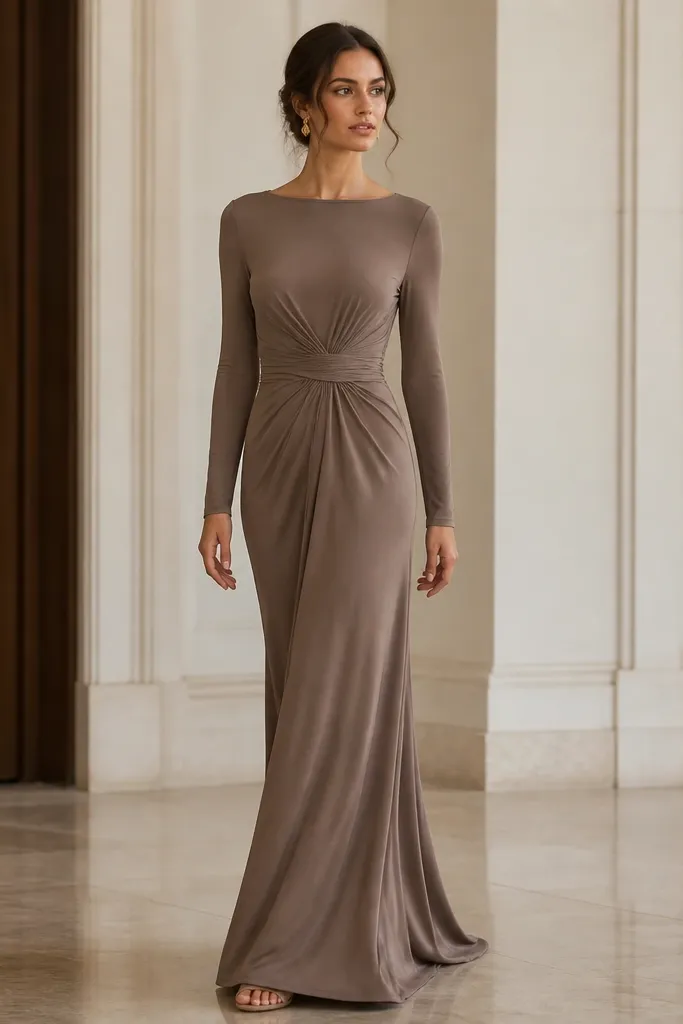
Before you focus on sleeves, confirm the hem won’t drag or bunch. With long sleeves, you’re more likely to bump fabric with your hands as you walk, especially with longer cuffs. A good hem skims the floor and clears the heel without pooling.
Walk 10 steps, then stand. If you see scuffing or the hem lifts too high, you’ll need a hem adjustment.
9. Fabric Stretch Reality Check (Lace vs. Satin)
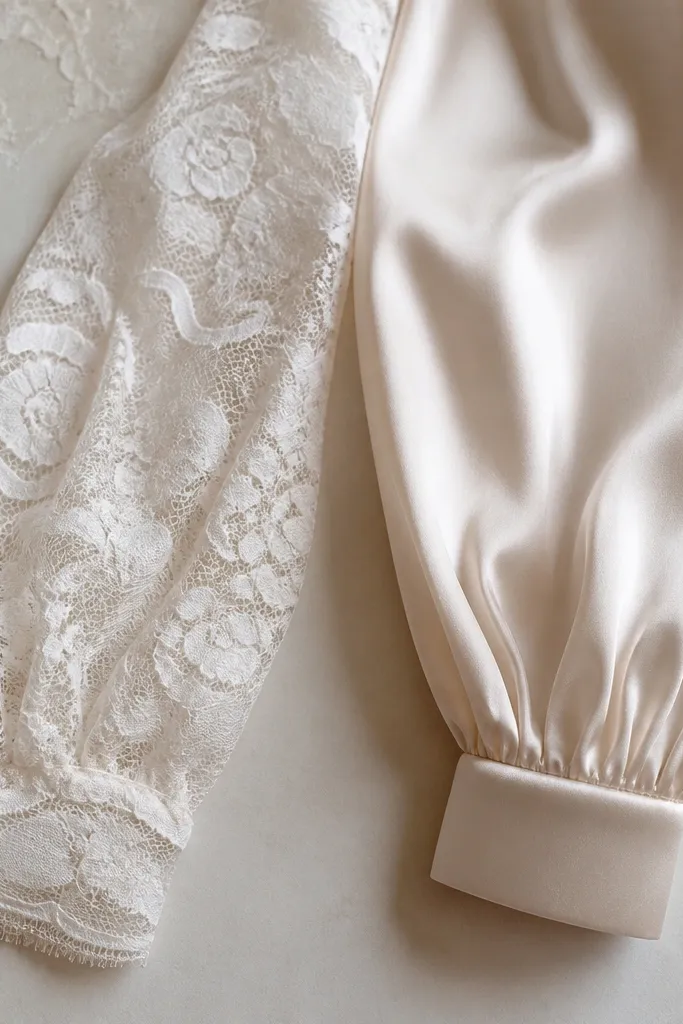
Lace sleeves can mask slight tightness because they stretch a bit, but satin and structured crepe will show pulling immediately. Test comfort by doing the armhole raise and the elbow bend — the same move that reveals fit issues in structured fabrics. If you’re a beginner, this helps you choose what’s “forgiving” for your first try-on.
Good to knowIf you’re between sizes, prioritize comfort moves on the satin/structured option — it predicts tailoring cost.
10. Bodice-Cup Fit Under Sleeves (No Spillage)
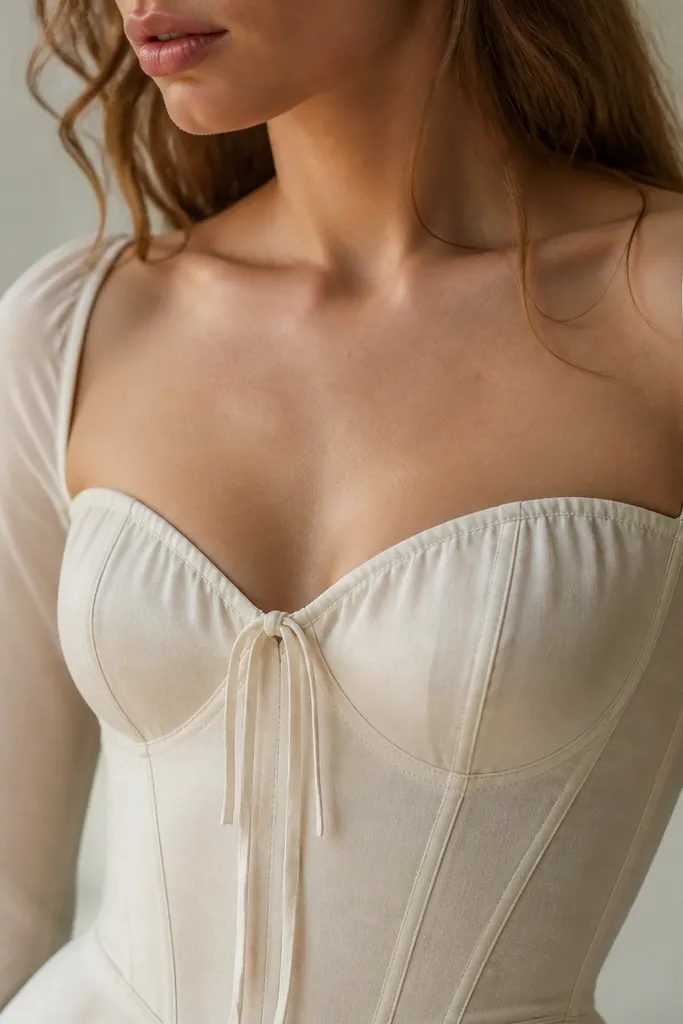
Try-on cups can look fine standing still but fail when sleeves add tension at the upper torso. Check for gaping at the neckline and spillage near the underarm when you lift your arms. Ill-fitting cups also affect how the sleeve top lays, which can cause weird wrinkles near the armhole.
Good to knowUse the “one-finger rule” at the underbust. Too loose means gaping later; too tight means sleeve drag.