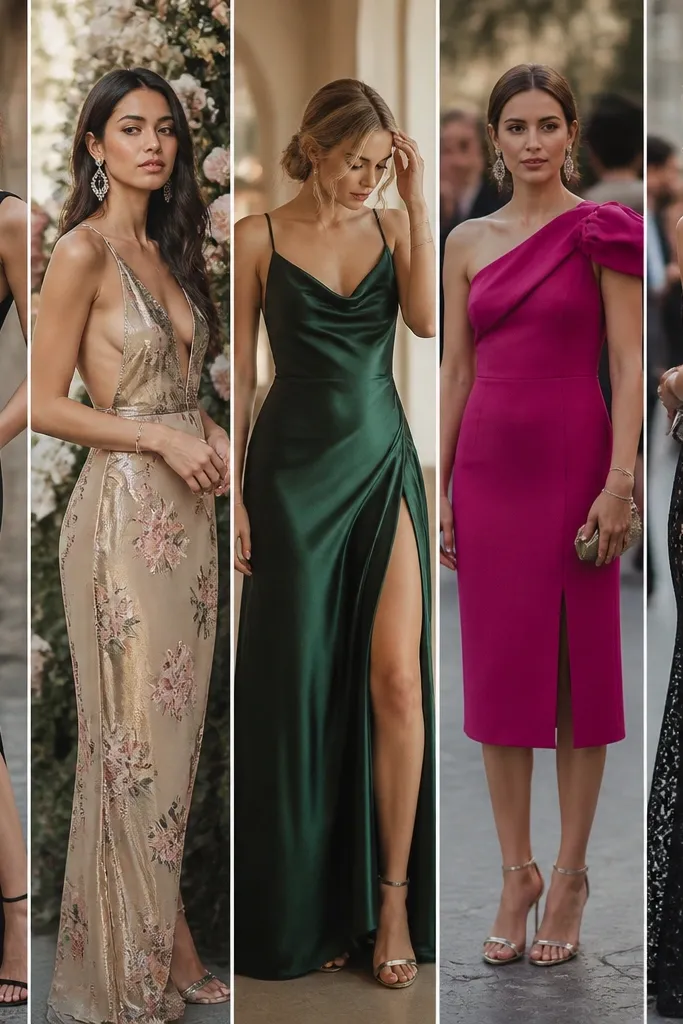
1. Shiny-but-Not-Ballgown: The “Too Much Sparkle” Trap
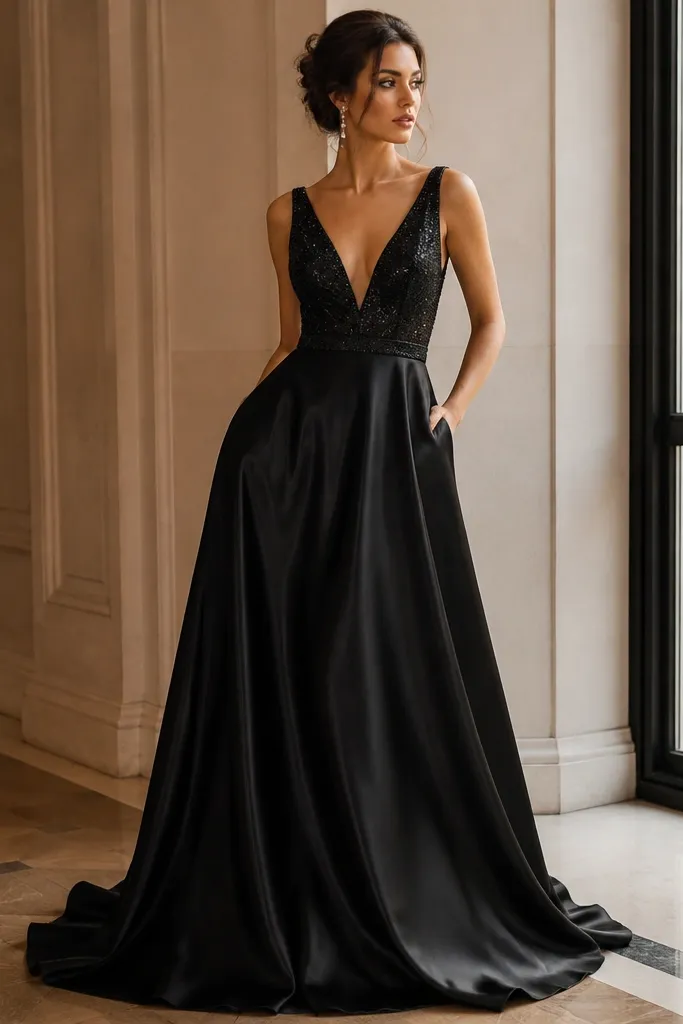
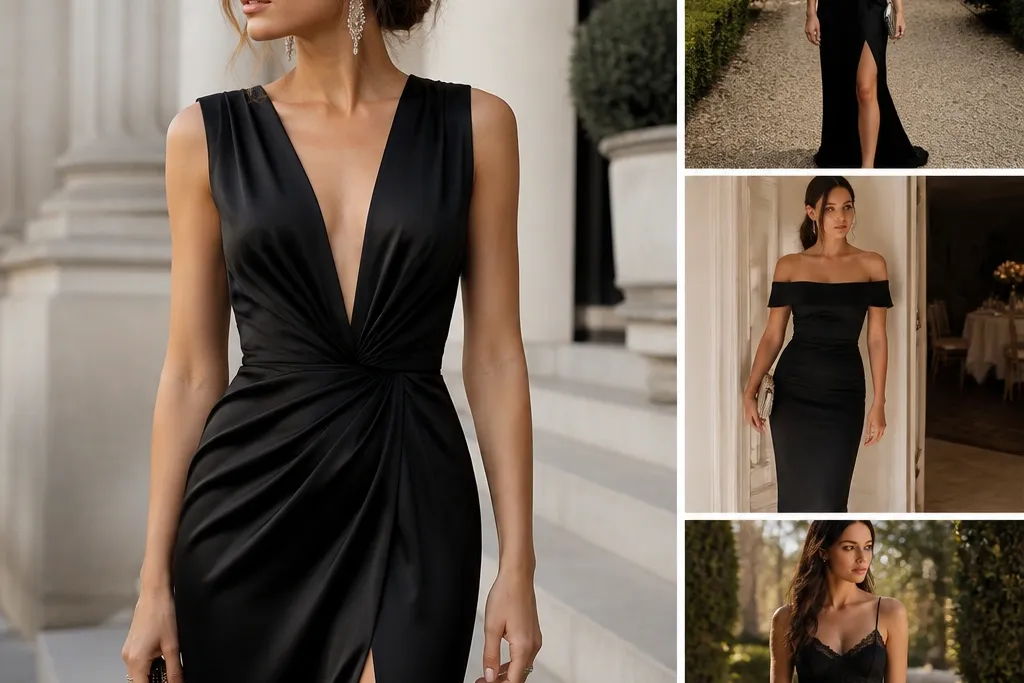
This works because black tie reads best when the shine is controlled. A satin base with limited sparkle looks luxe and photographic without competing with the couple. If the entire dress is covered in heavy sequins, it can look more like party wear than wedding-appropriate formal.
Good to knowIf your dress is fully covered in glitter, choose a similar satin or crepe option and add one controlled statement (earrings or a sleek clutch) instead.
2. The “Wrong Fabric” Test: Crepe vs. Jersey
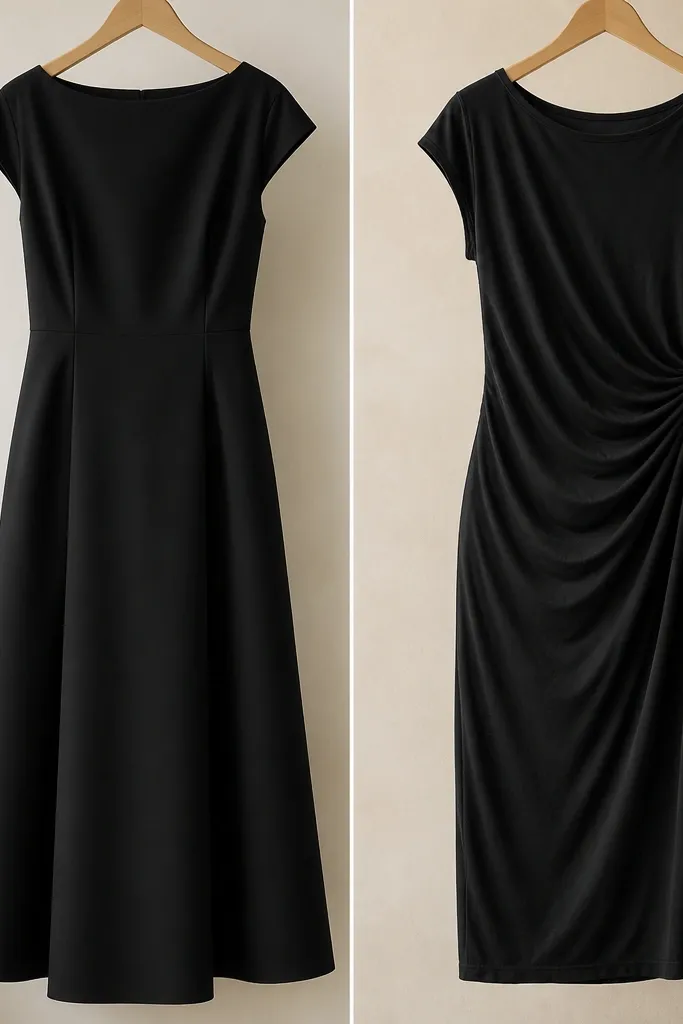
Jersey can be comfy, but it often reads casual at black tie events because it clings too much and wrinkles easily. Crepe, satin, silk blends, and structured ponte hold shape in photos and at standing conversation moments. The difference is obvious in movement — crepe stays crisp while jersey looks like a date-night dress.
Good to knowWhen in doubt, pick a fabric with structure (crepe, satin, or silk blend) and avoid anything that looks like it’s meant for a T-shirt silhouette.
3. Hemline That Misses the Mark: Midi at a Black Tie Wedding
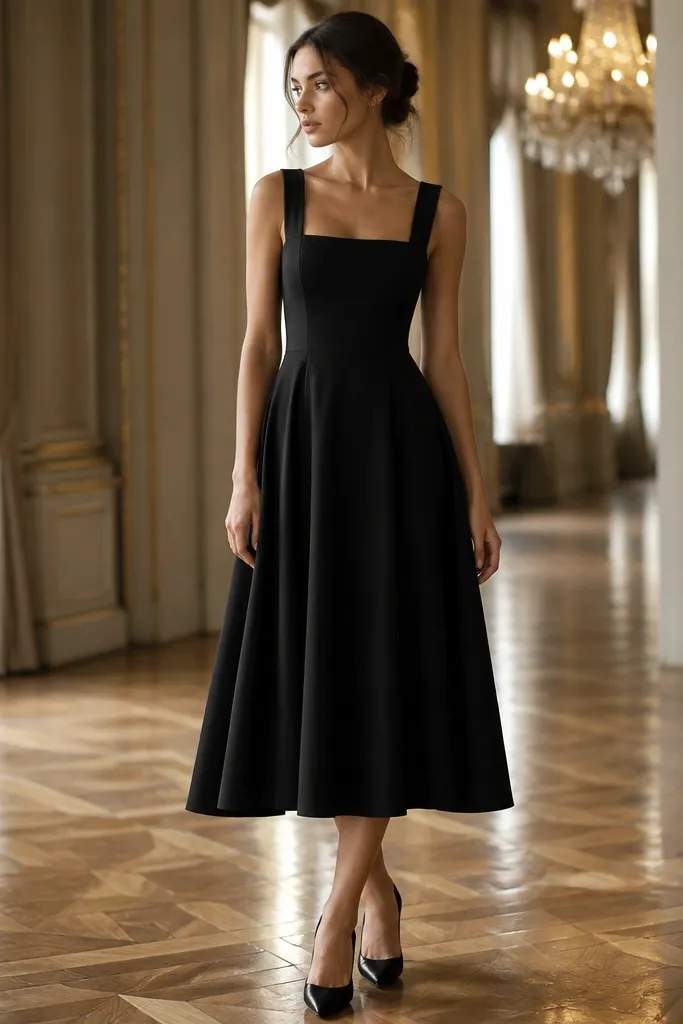
A mid-calf hem can feel too casual for black tie unless the event is clearly more modern or specified as cocktail. Black tie usually expects full-length or at least ankle-skimming hems that land cleanly. When the hem hits the widest part of your calf, it can also visually shorten your proportions.
Good to knowAim for ankle length or a hem that lands at or just above the ankle — or add a tailored slit for a deliberate look.
4. Neckline Mismatch: Deep Plunge Without Balance
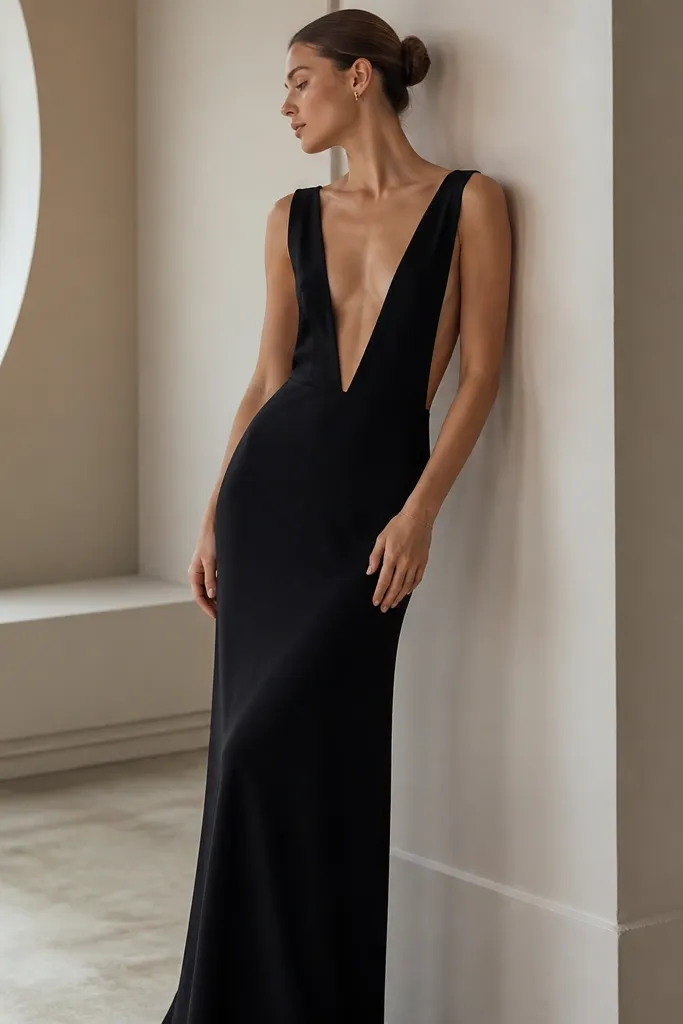
A plunge can absolutely work, but the mistake is going “all neckline, no structure.” Without a supportive bodice or sleeves/coverage at least in the sides, the look can read more club than formal. The fix is either adding structure (boning, thicker fabric) or balancing with sleeves, a higher back, or a more modest cut.
If you love the plunge, choose a dress with a thick underlayer or a structured bodice so it holds its shape all night.
5. The “No Tailoring” Error: Baggy Waistlines
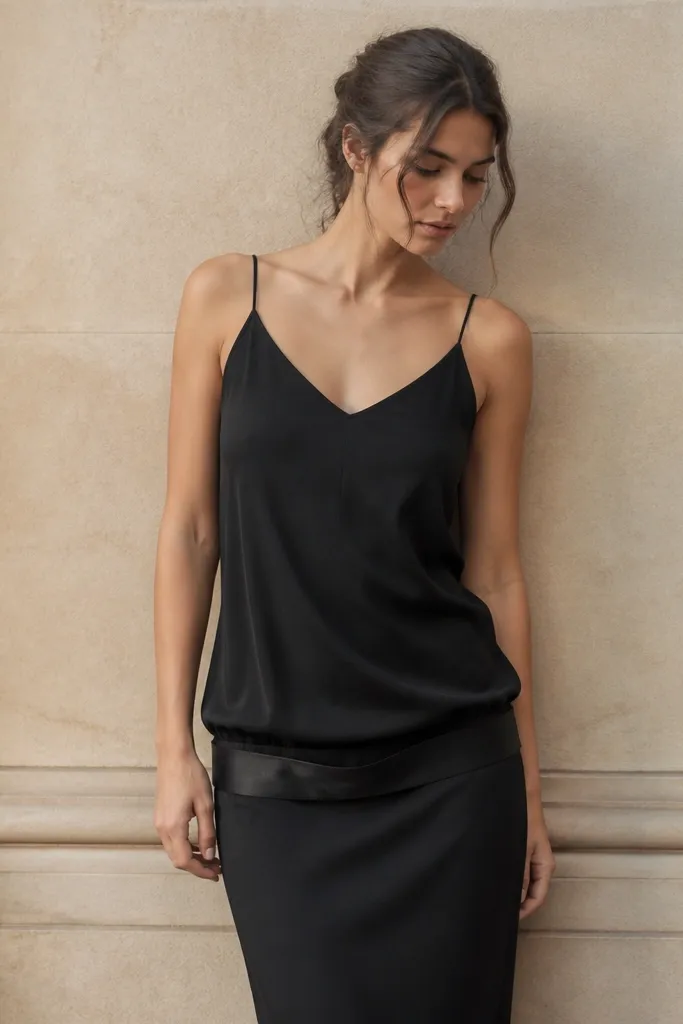
Black tie dresses look best when the waistline sits where your body naturally defines it. Off-the-rack options often leave extra fabric at the midsection, which can make the gown look sloppy even if the fabric is expensive. Tailoring a waist seam or taking in side panels can instantly upgrade the silhouette.
Before you buy, do the “walk test” — if you see pulling or bunching in the waist when you step, plan minor tailoring.
6. Men’s Mistake: Wearing a Suit That Isn’t Formal-Weight
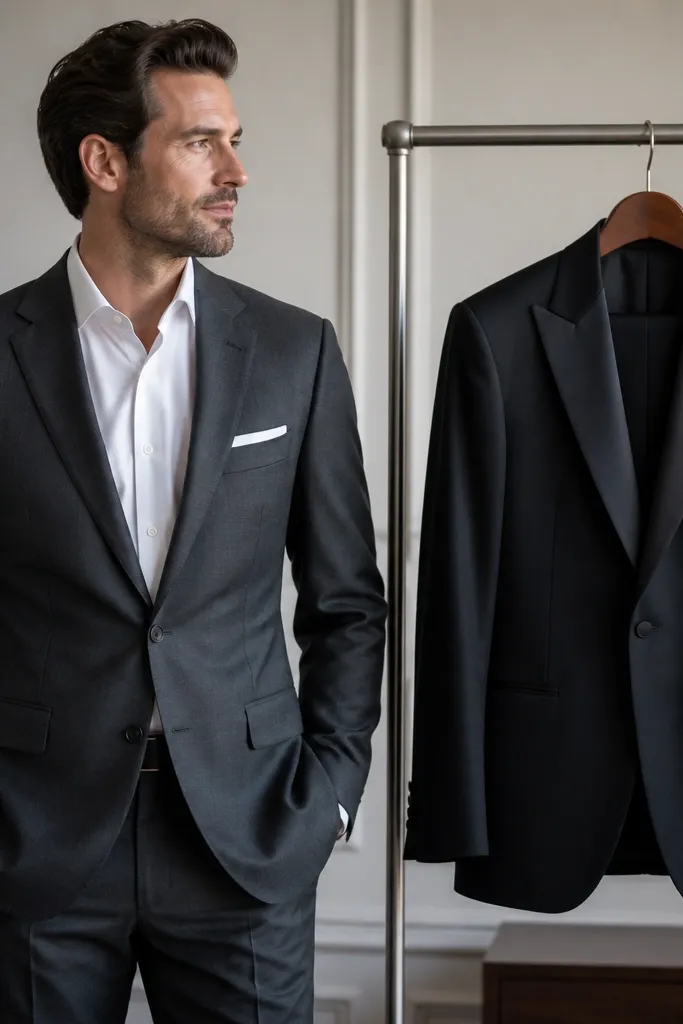
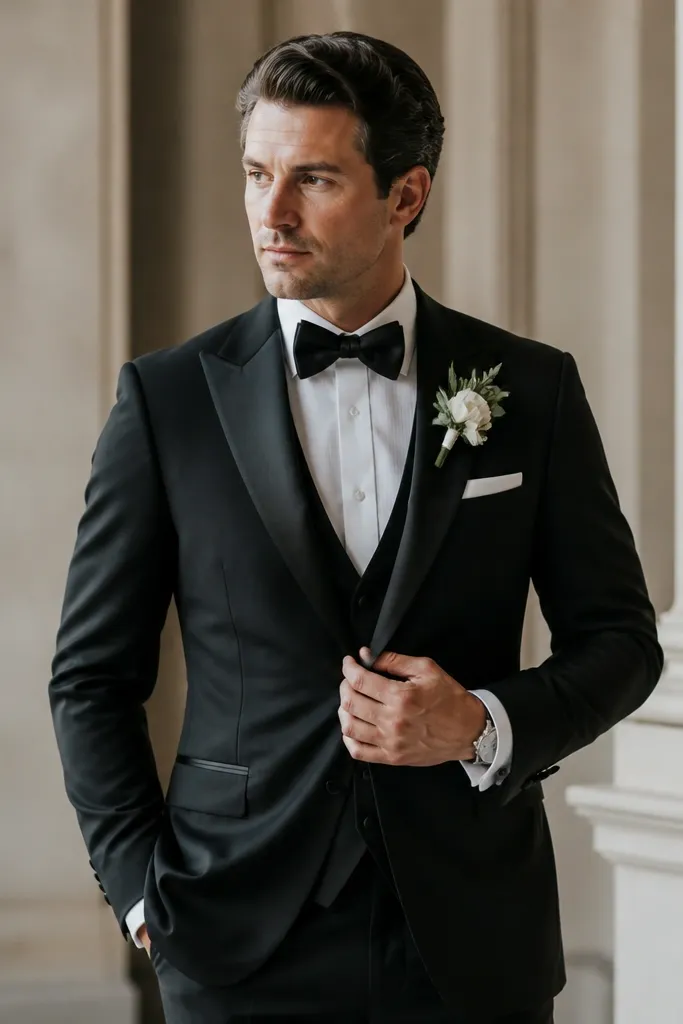
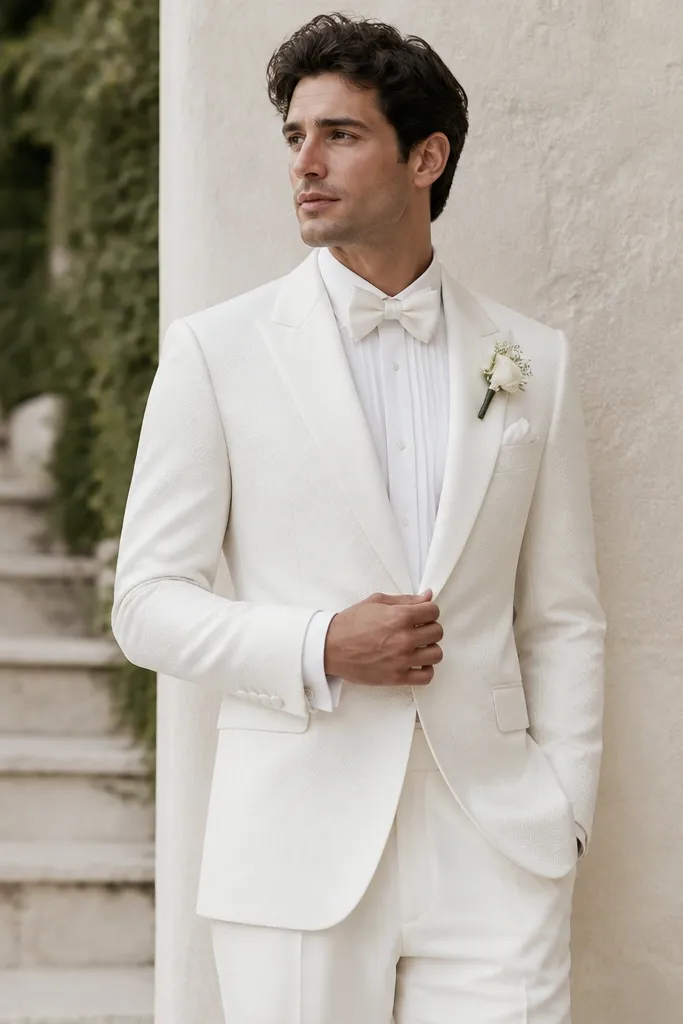
A black tie event expects formal tailoring — usually a tuxedo jacket or at minimum a suit in a formal fabric with the right details. The most common failure is a suit that looks too everyday due to fabric weight and lack of satin/silk accents on lapels. Even if the color is right, the texture often gives it away.
Look for satin lapels or choose a tuxedo jacket; if you’re using a suit, upgrade the shirt to crisp white or black with a proper formal placket.
7. Bow Tie Gone Wrong: Crooked or Too Small
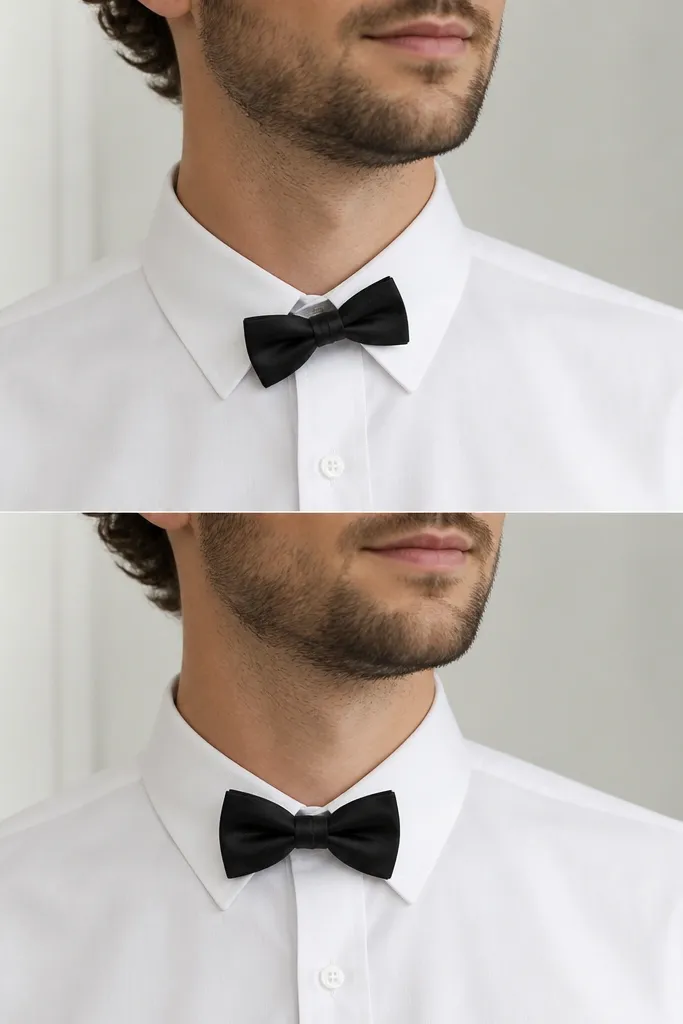
Black tie is picky about details, and a misshapen bow tie reads instantly casual. An undersized bow can look like a costume, while an off-center knot makes the whole outfit look rushed. The fix is choosing the correct width for your collar and ensuring it sits perfectly centered.
Before the wedding, practice tying your bow tie and check it in a mirror for center alignment — adjust the knot size if it looks too tiny.
8. The “Wrong Shoe Shine” Problem for Women
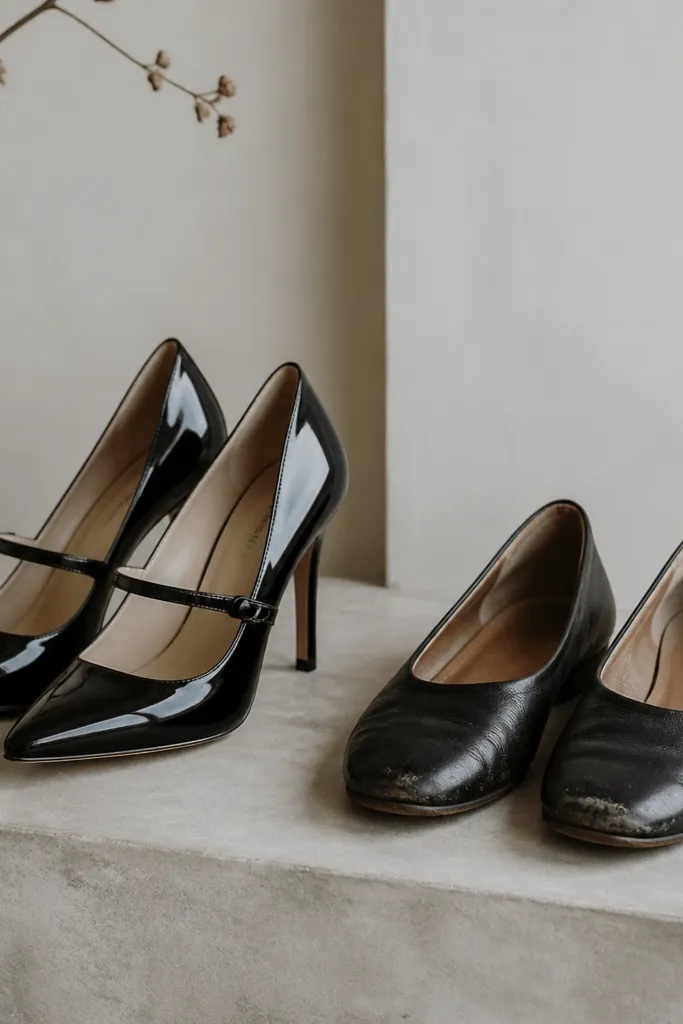
Black tie shoes usually need a polished finish, especially for photos. Matte, scuffed flats can make even a perfect gown look underdone. Patent leather, satin, or well-maintained leather with a refined silhouette (strappy heel, sleek pump) keeps the formality consistent.
Good to knowUse a shoe-care kit: wipe, condition, and polish the day before; if it’s scuffed, replace rather than “hoping it’s fine.”
9. Clutch Size Mistake: Oversized Bag Energy
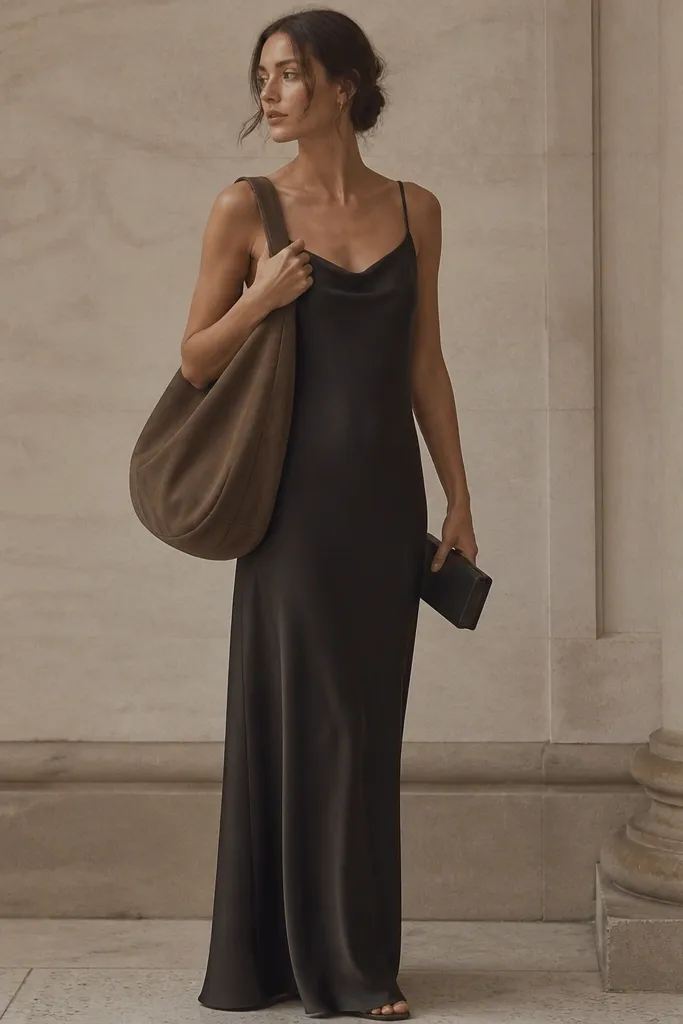
At black tie, the bag should be small and intentionally styled. Oversized bags create visual bulk and can look like you’re headed to dinner, not a formal event. A structured clutch or mini bag keeps lines clean and looks more like evening wear. It also prevents you from carrying too much and looking cluttered in candid photos.
Choose a clutch that fits your phone, lipstick, and a small compact — if it’s bigger than that, it’s likely too casual.
10. Color Confusion: Black Isn’t Always Safe
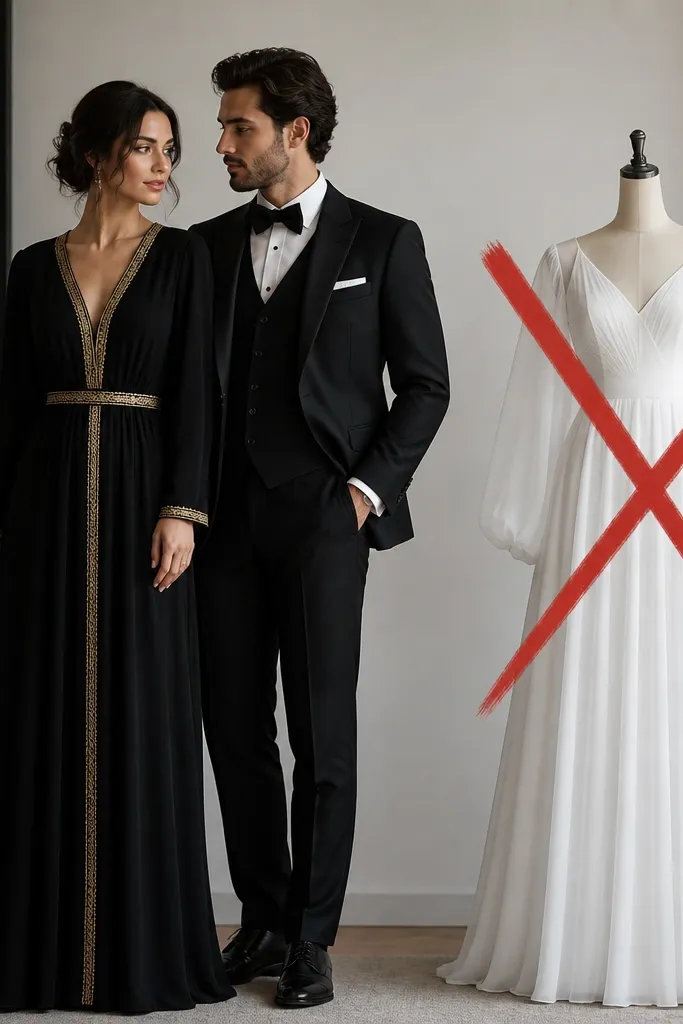
Black can be perfectly appropriate for black tie, but the mistake is picking a shade or styling that feels like a “wedding guest uniform” with no personality. Also, avoid anything too close to bridal white/ivory, including white lace overlays that mimic bridal gowns. Adding a tonal accessory (gold earrings, velvet wrap, or satin heels) keeps it elegant rather than flat.
If you wear black, add one warm-toned detail (gold, champagne, or bronze) to make the look feel intentional.
11. Women’s Sleeves Error: Sheer + Cheap-Looking Underlayer
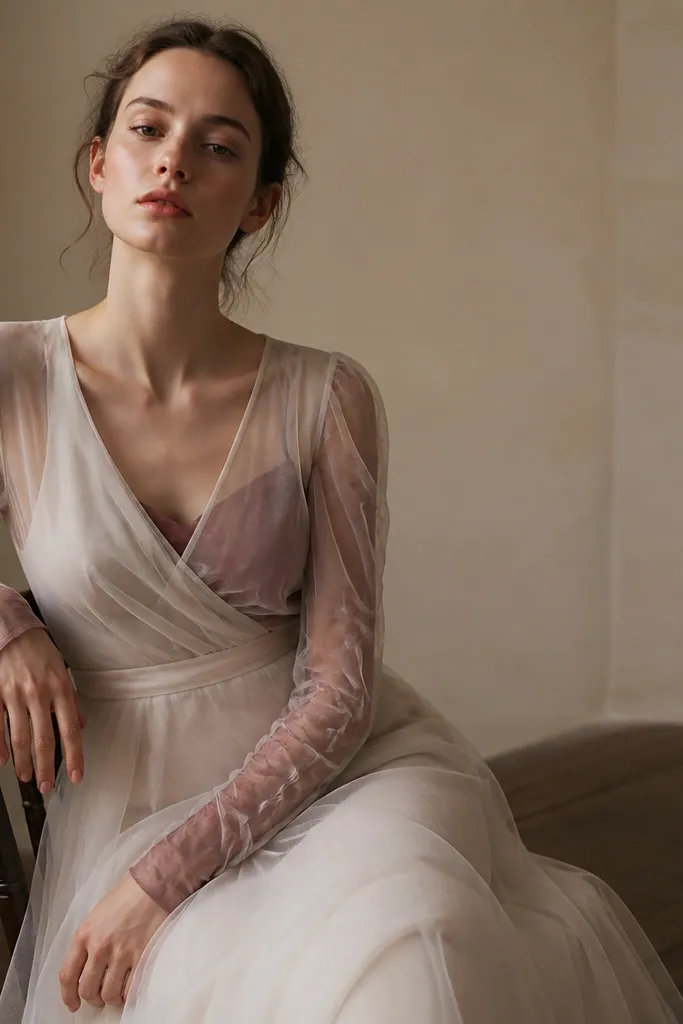
Sheer sleeves can look stunning, but the underlayer matters. A mismatched or wrinkly lining makes the sleeve look “unfinished,” which reads as low effort. For formal events, the goal is smooth coverage that photographs cleanly. Choose dresses where the lining matches the skin tone effect you want — or opt for opaque sleeves.
Check the sleeve look in daylight and overhead lighting — if you see a visible lining contrast, consider a different underlayer or a fully opaque option.
12. The “Too Casual Accessories” Edit
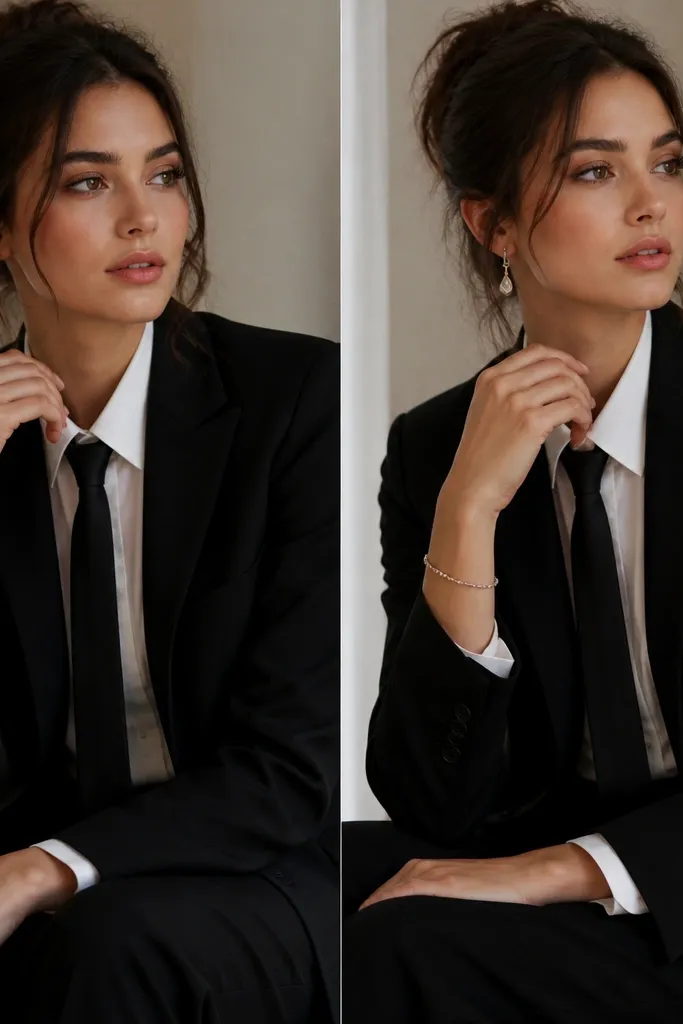
Accessories can quietly break black tie even when the dress is perfect. Chunky beaded jewelry, casual watches, and everyday rings can make the whole look feel like it’s missing styling. Black tie accessories should look refined and deliberate — think delicate drop earrings, a sleek bracelet, and a polished watch (or no watch).
Pick one jewelry moment: either statement earrings or a statement cuff — then remove the rest so the outfit stays formal.