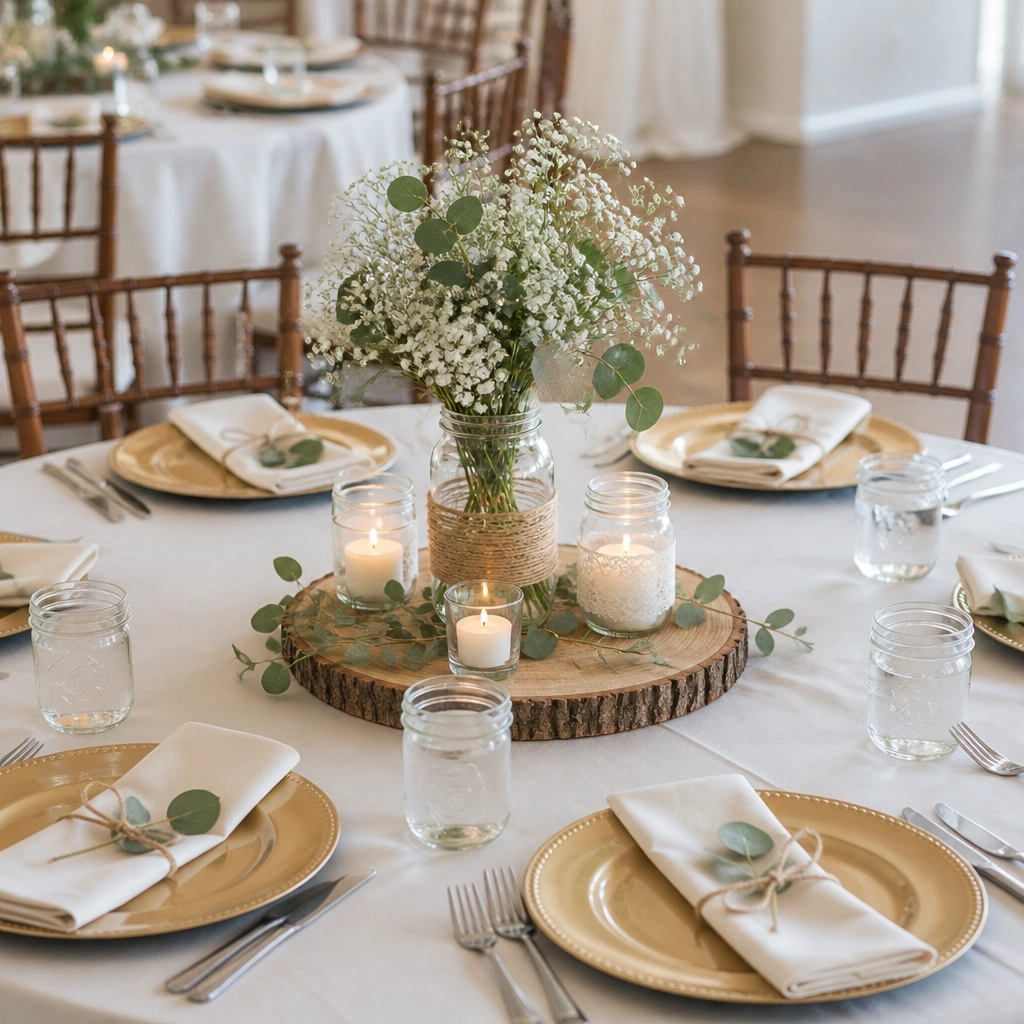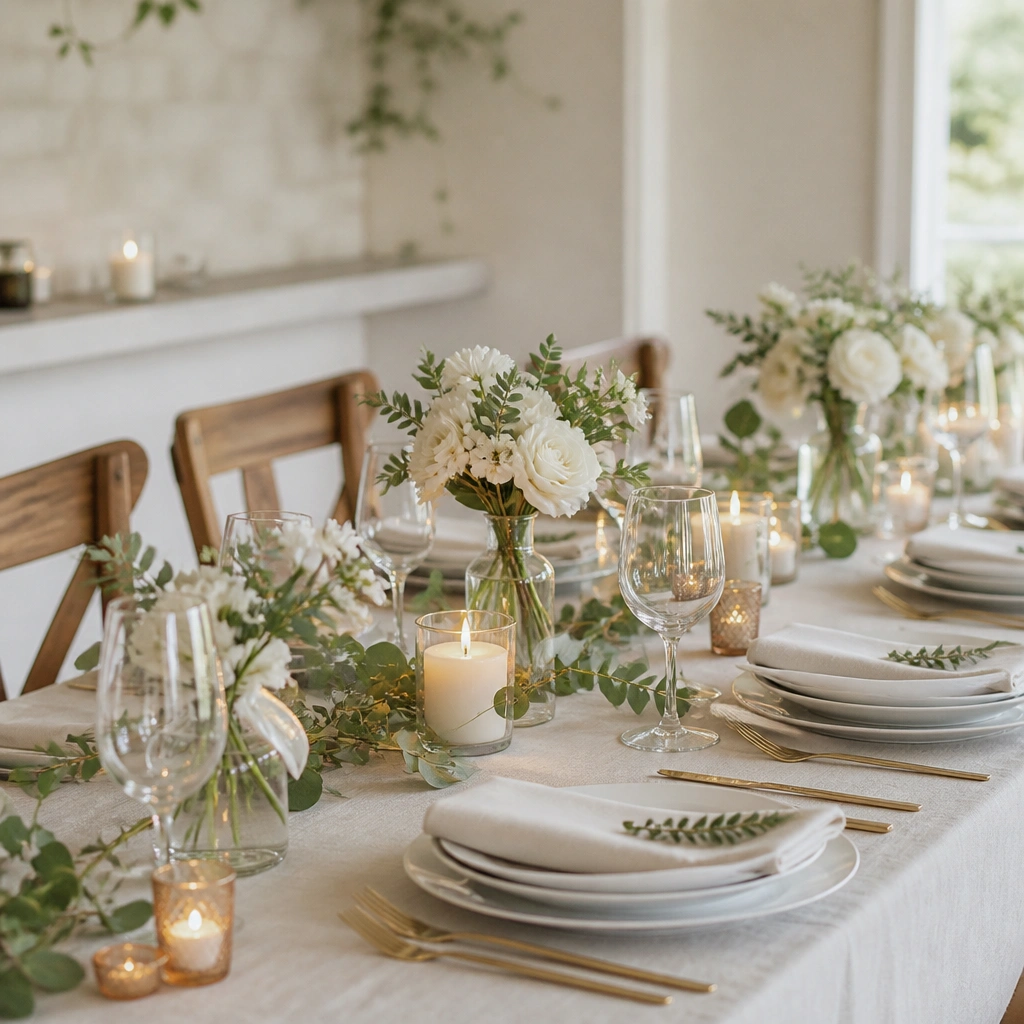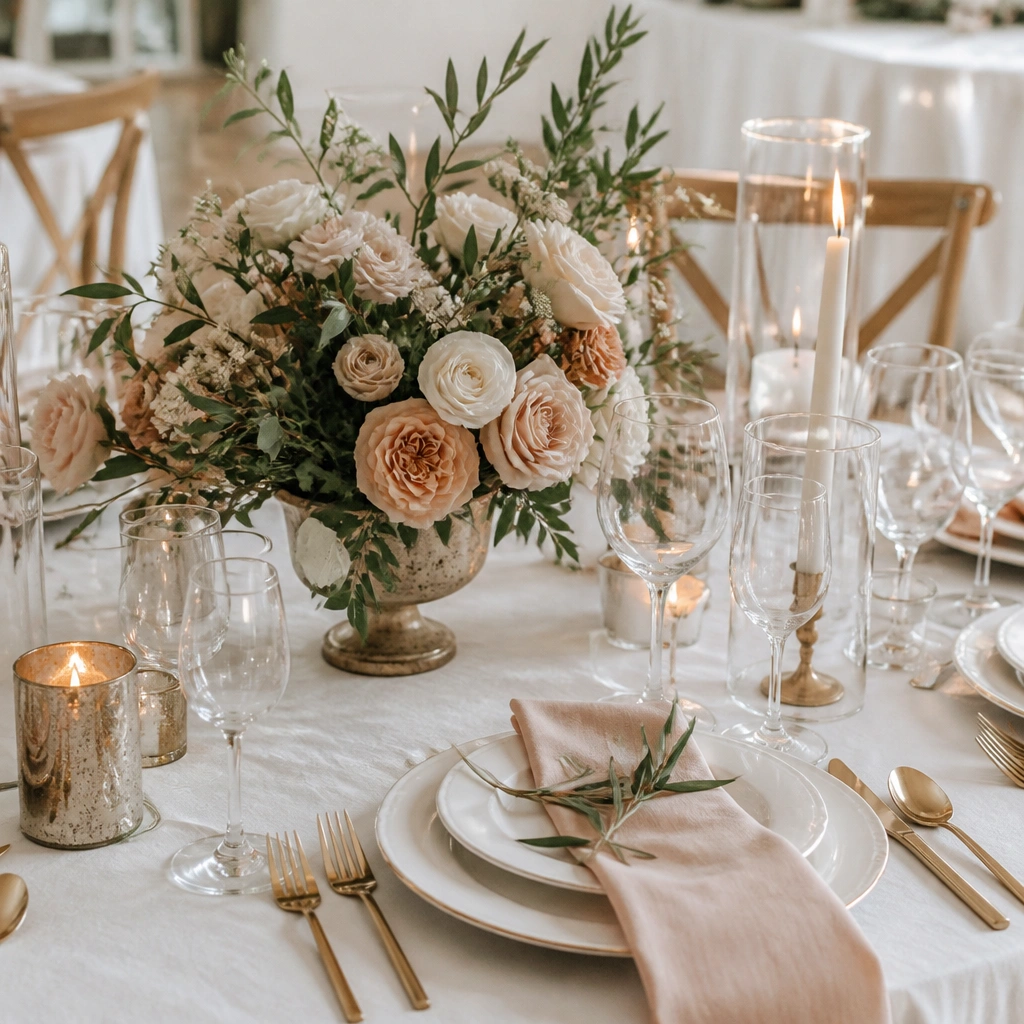
1. The “Too-Tall” Centerpiece That Blocks Everyone’s Faces
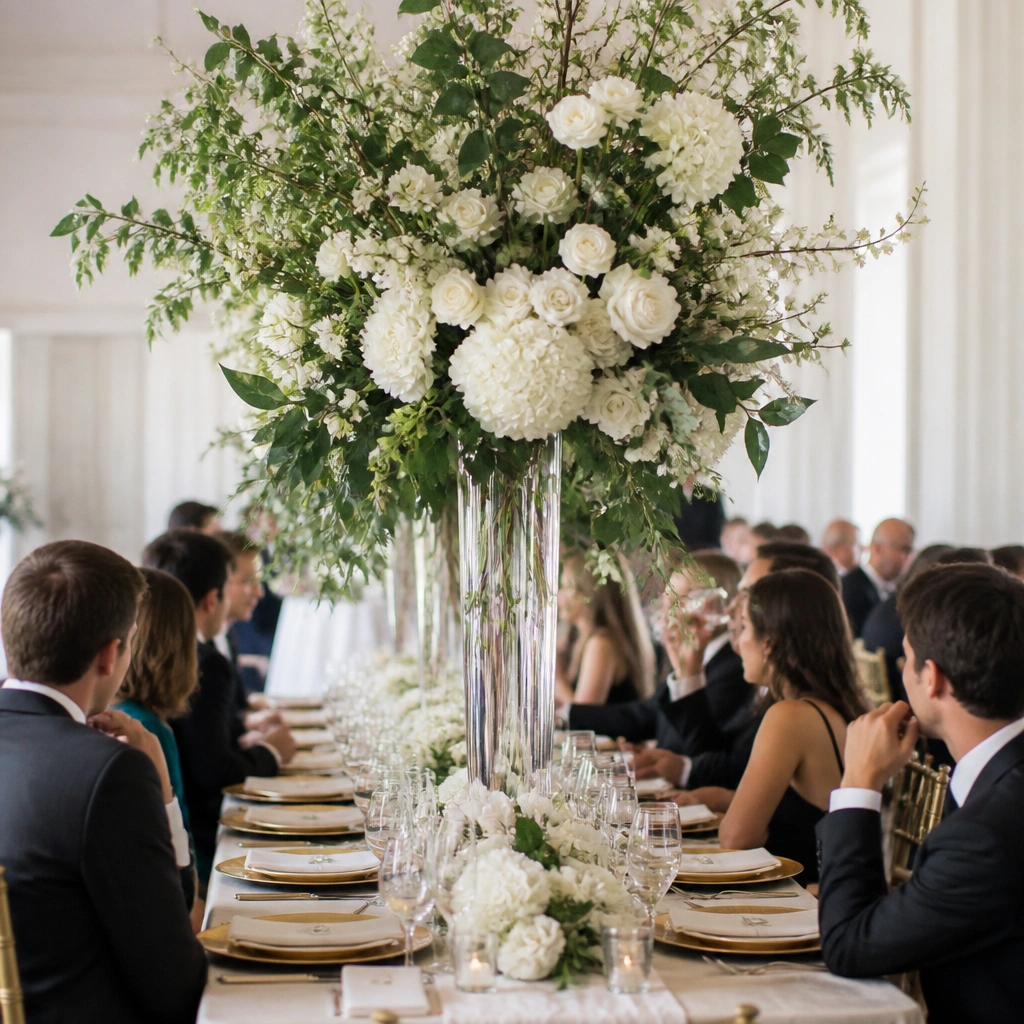
This is the classic UGC fail: a centerpiece that’s beautiful up close but ruins conversation and makes group photos look cluttered. For most dining tables, you want low-to-mid height so guests can see each other across the table line. Tall arrangements also create shadows on table settings, making place cards and menus harder to read.
Good to knowUse a height guide: keep the top of your centerpiece around 2/3 of the guest’s seated eye line, and choose low florals or multiple smaller clusters instead of one skyscraper bouquet.
2. Mismatched Colors That Fight the Wedding Palette
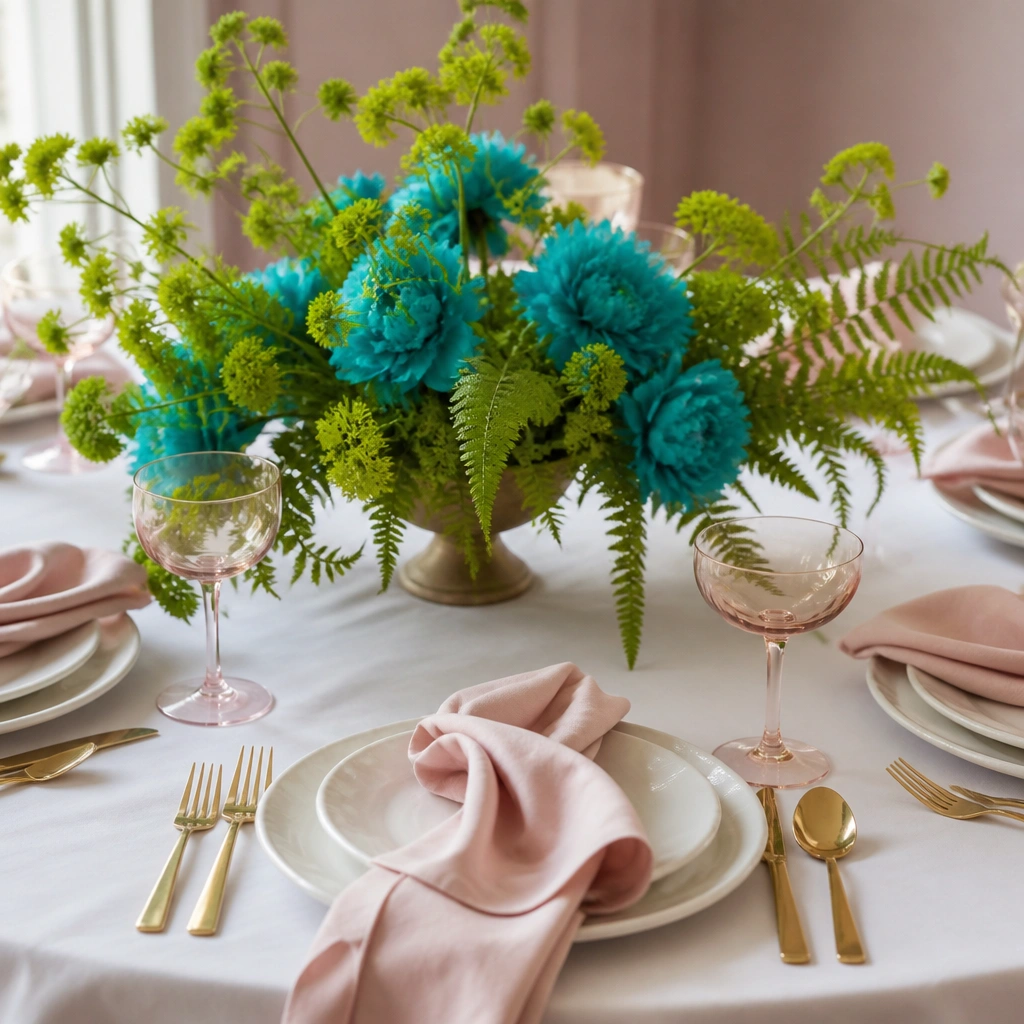
Color mismatch happens when decor is sourced from different seasons or vendors without a shared palette. Even if each item is pretty alone, mixed undertones (cool vs warm) can make your whole table feel chaotic. Photos amplify this because cameras capture true color temperature, especially under warm venue lighting.
Good to knowPick one anchor color from your invitation suite (or bridesmaid dresses) and match undertones: pair warm whites with warm golds, and cool whites with silver-toned details.
3. Table Runner Overhangs That Look Sloppy in Close-Ups
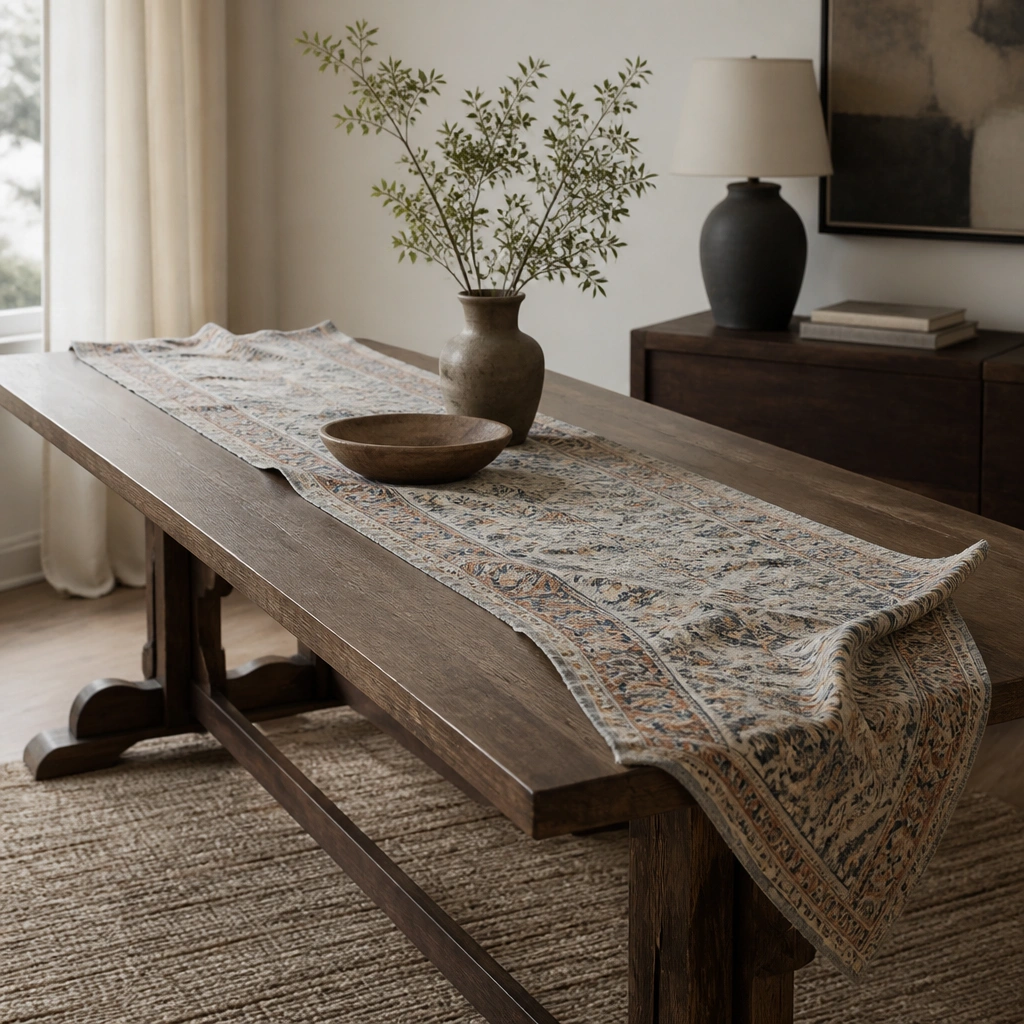
Runner mistakes are super common in UGC because it’s easy to center it quickly but hard to get it perfectly straight once chairs are in place. Overhang and wrinkles distract from chargers, menus, and place cards — especially in top-down photos. If the runner fabric is too thick or too slippery, it shifts when guests sit down.
Good to knowIron or steam the runner and use double-sided fashion tape or removable adhesive dots at the edges of the tablecloth corners to keep it centered and flat.
4. Too Many Textures Competing (Ribbons, Lace, Burlap, Sequins)
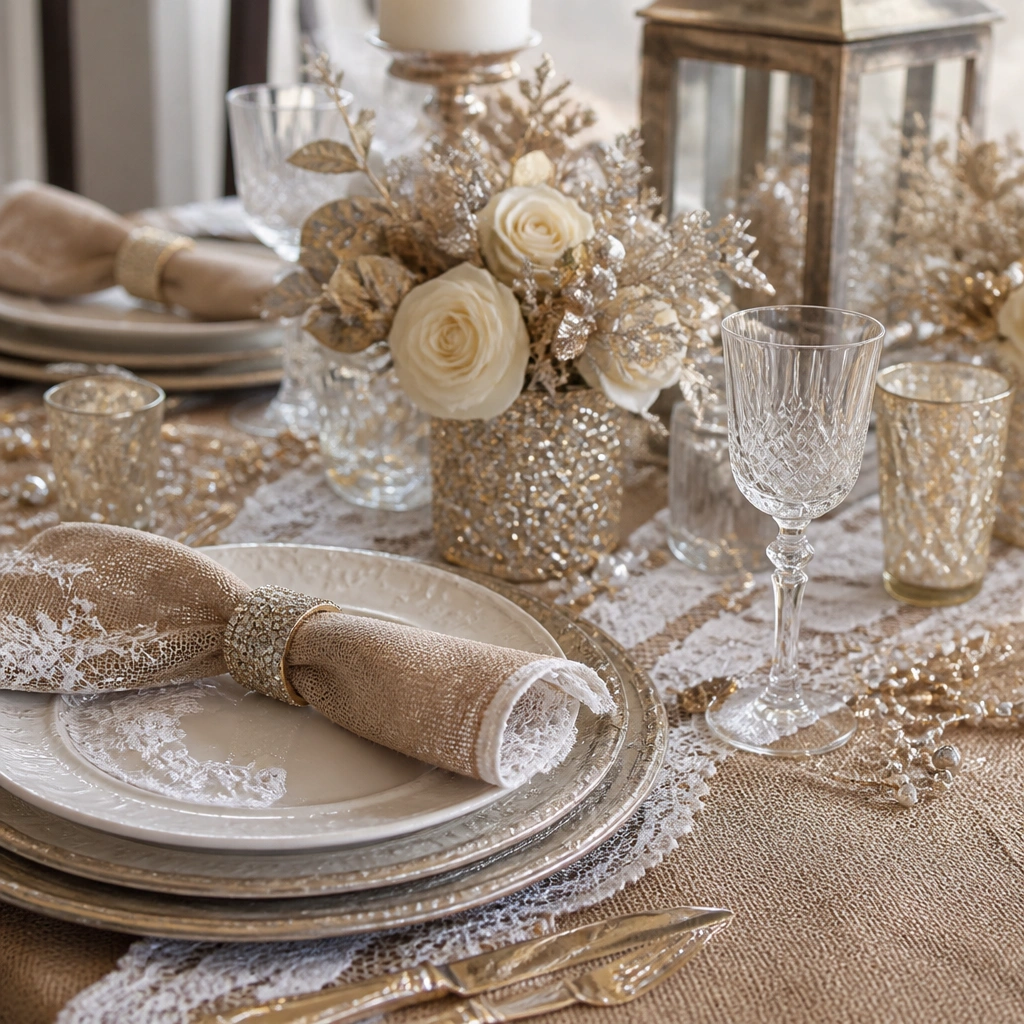
Layering textures can look luxe, but only when they’re intentional. When you add too many different surfaces, the table reads “busy” instead of “styled,” and it’s harder for your eye to land on the centerpiece. This also makes it difficult to match your wedding vibe because every element pulls attention in a different direction.
Good to knowLimit to 2-3 texture families: for example, matte linen + smooth ceramic + one soft organic texture (like eucalyptus or raffia).
5. Candles Placed Where They Block Place Cards
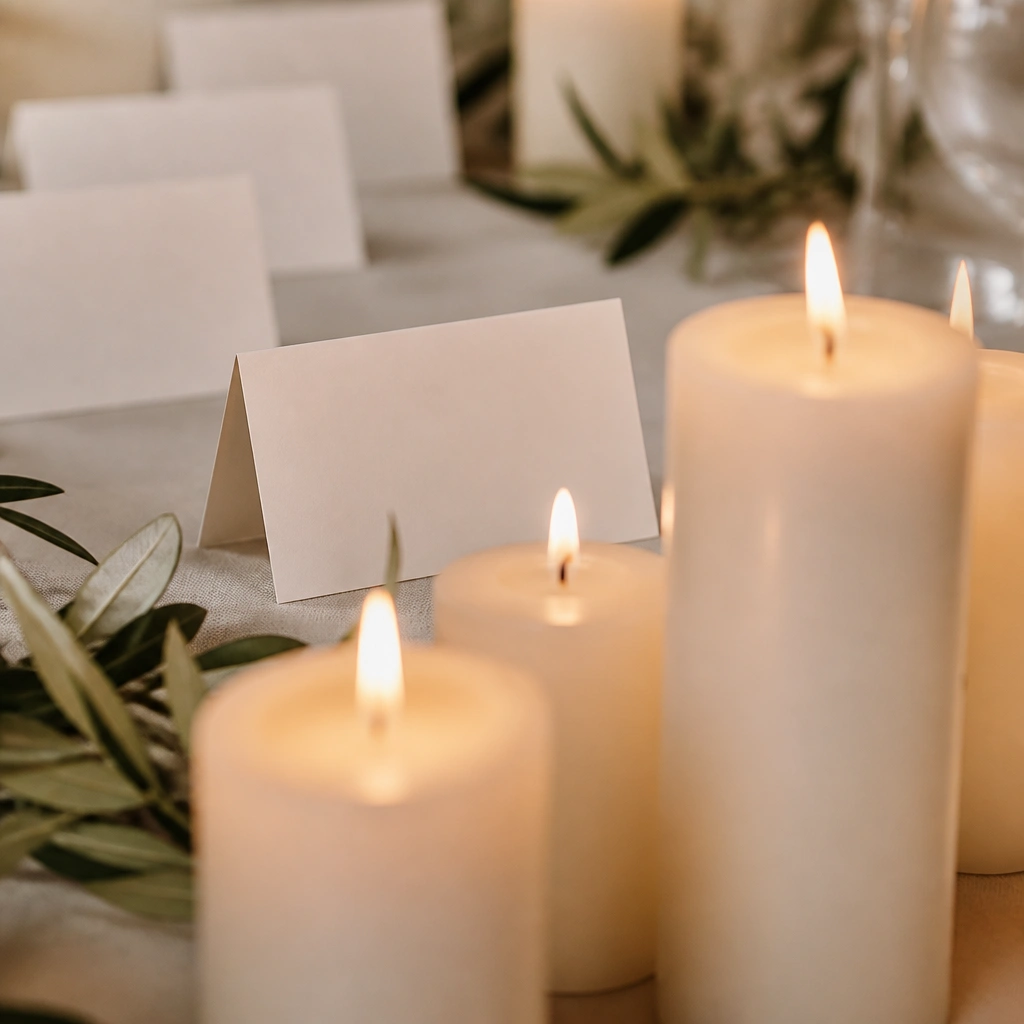
Candles are gorgeous, but they can unintentionally cover the most important “readable” item at the table. If your candle cluster sits too far forward or too wide, guests can’t find their seats quickly. Also, uneven candle height creates messy shadows across menus and glassware.
Place candles behind the place card line (not directly over it) and keep the candle footprint narrow; test by standing at guest eye level and checking if names remain fully visible.
6. Glitter and Confetti That Looks Great - Until the Wind
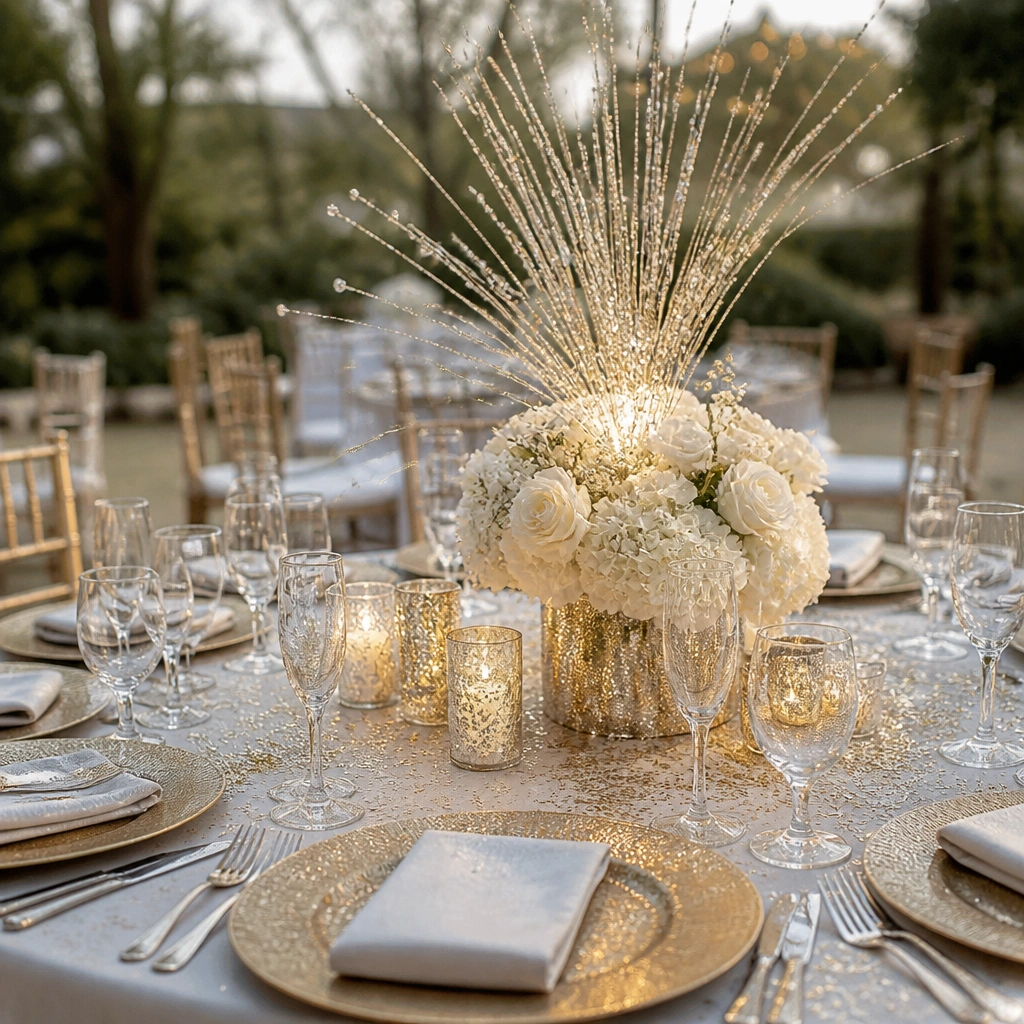
Glitter, chunky confetti, and loose sparkle can migrate onto tablecloths, plates, and even guests’ clothing. Outdoors, a light breeze turns “festive” into “messy,” and it’s hard to clean without damaging linens. In photos, glitter can also look uneven — like random specks instead of cohesive sparkle.
Good to knowSwap loose glitter for contained options: use tinsel-free faux greenery, glass bead accents inside a bowl, or fully sealed sparkle foam that won’t shed.
7. Centerpiece Arrangements Without a Water Plan (Wilting Fast)
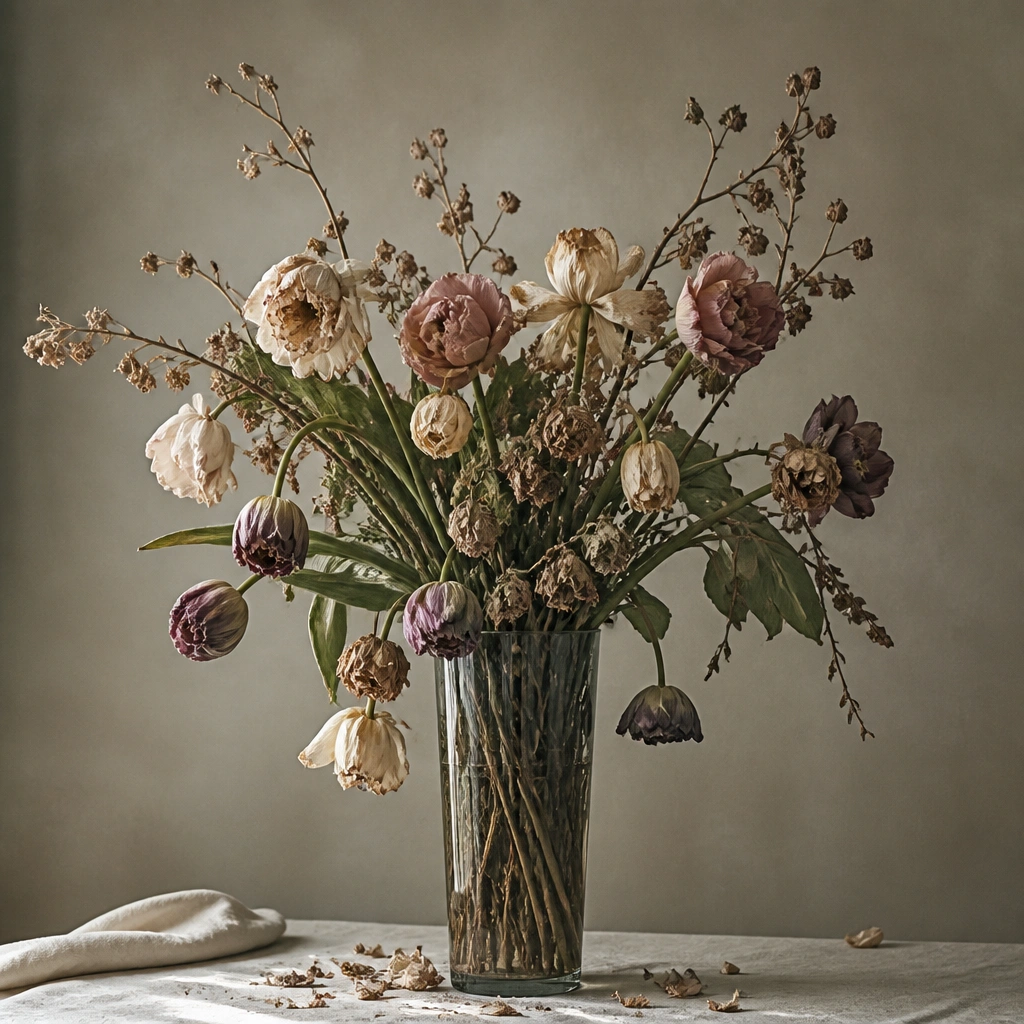
A lot of UGC fails come from underestimating how quickly cut flowers decline in warm venues, direct sun, or dry air. If you’re using oasis foam or floral tape incorrectly, stems can dry out or become unstable. Wilting also changes color and shape, which makes your table look inconsistent as the evening goes on.
Good to knowIf using fresh blooms, keep stems in water-filled containers or use a properly soaked oasis block and wrap the base so it won’t leak onto linens.
8. Too-Wide Centerpieces That Don’t Fit the Table Layout
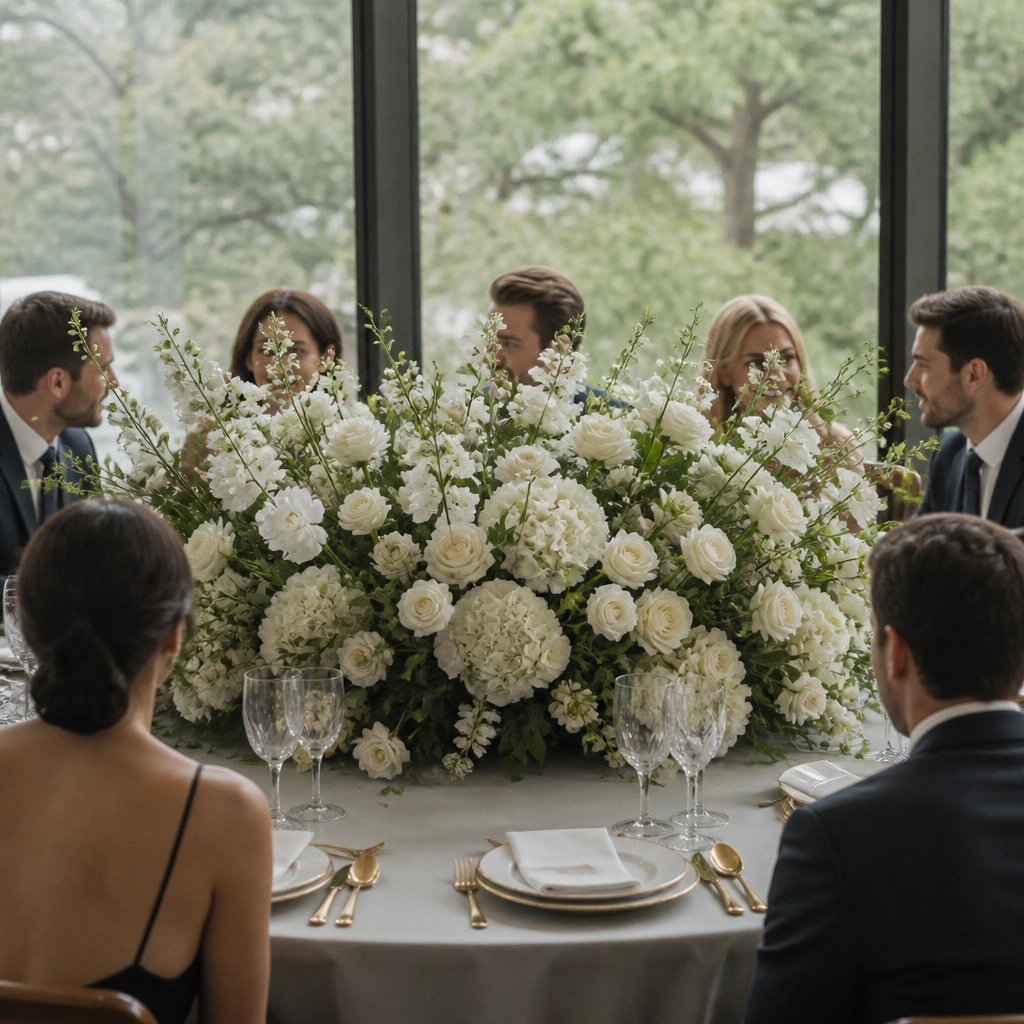
Even if height is fine, width can still cause issues. A centerpiece that stretches too close to chargers makes the table feel cramped and forces guests to reach around items. It also reduces negative space — the “clean” part of styling that makes everything look premium.
Good to knowMeasure your table: aim for a centerpiece diameter that leaves at least 8-12 inches of clear space around each place setting, depending on your table size.
9. Vase Choice That Looks Heavy or Cheap in Photos
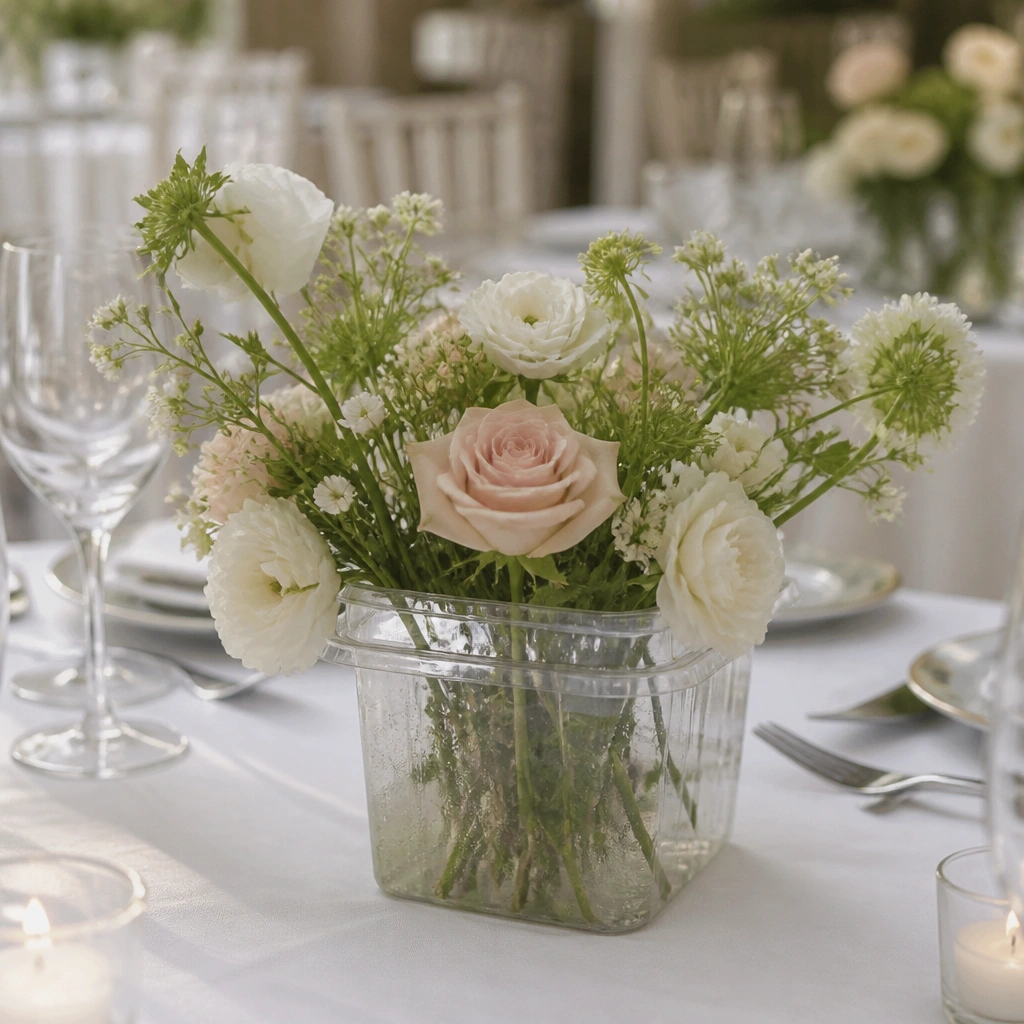
The container matters as much as the flowers. Clear plastic can catch light differently than glass, and visible seams or condensation can make the centerpiece look less elevated. In close-ups, the vase shape also affects proportions — wide mouths can swallow small blooms and make the arrangement look flat.
Good to knowUse heavier-looking glass or ceramic, or wrap plastic containers with a fabric or kraft paper sleeve so the vase reads intentional from every angle.
10. Wrong Napkin Rings for the Wedding Metals
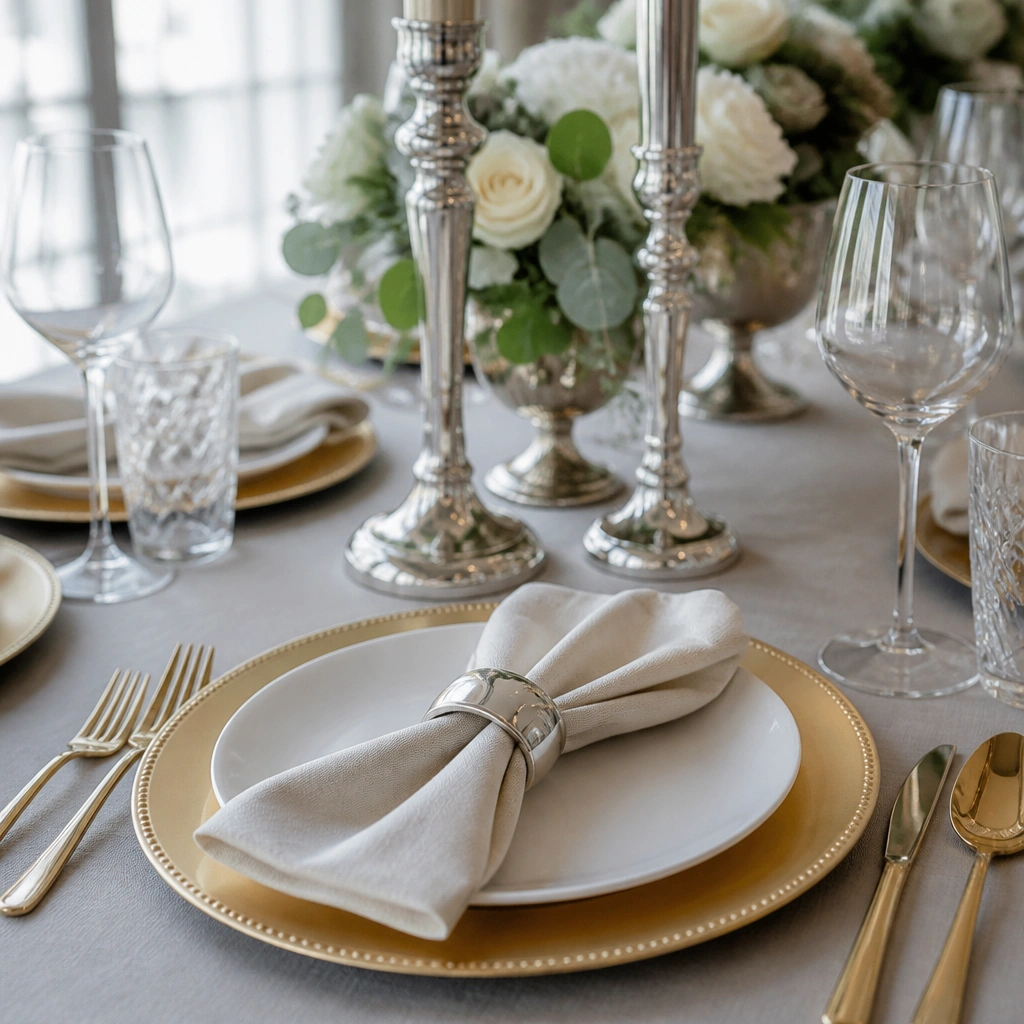
Metal mismatch is a small detail, but it jumps out in styled photos because cutlery and candle holders reflect light. If your wedding palette is gold and champagne, silver accents can feel like a separate theme. The same issue happens with rose-gold that’s too pink compared to warm champagne tones.
Choose one metal family for the whole table: match napkin rings, candle bases, frame hardware, and card holders to either gold/champagne or silver, not both.
11. Underlit Tables: Centerpieces Look Dim and Flat at Night
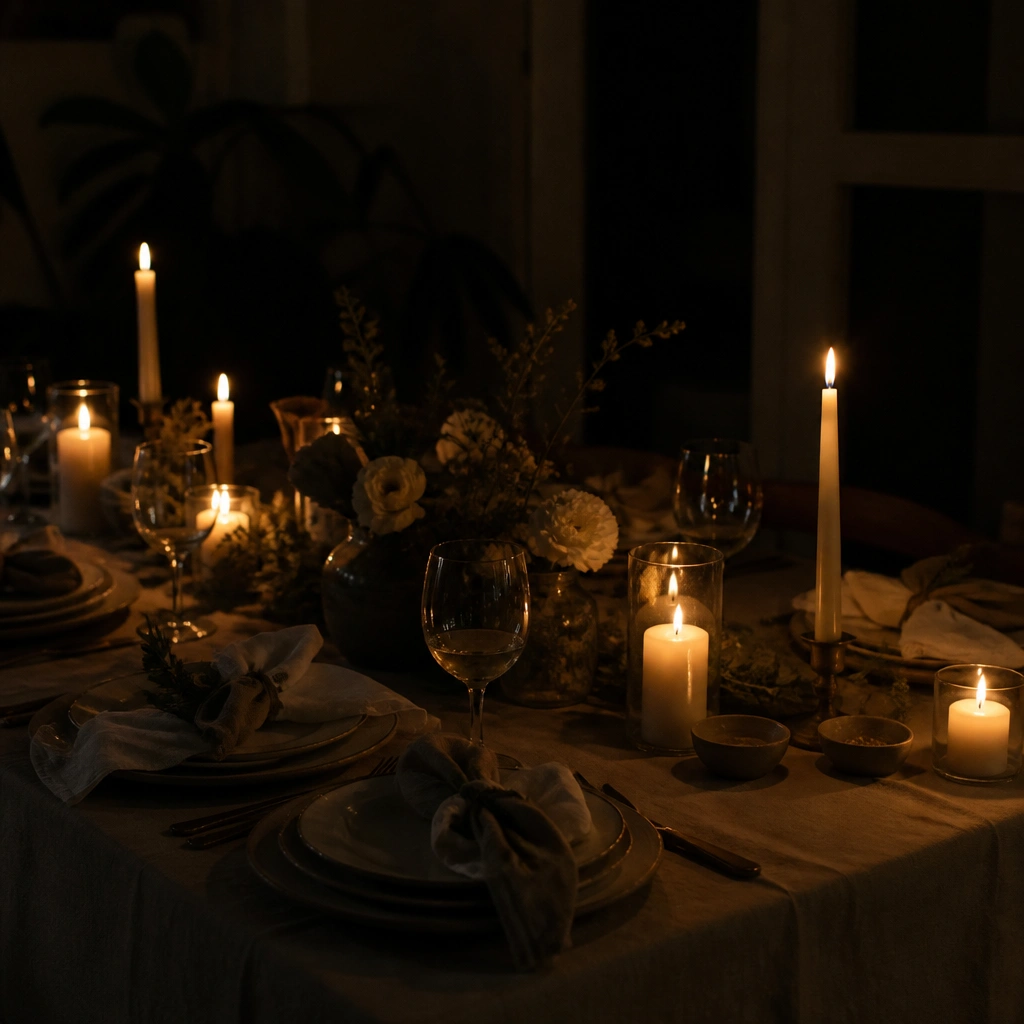
If your reception lighting is dim, centerpieces without a reflective element or strong candle placement can disappear. Matte florals and dark runners can absorb light, making your table feel gloomy. Photos show this immediately — you’ll see low contrast and blurry details.
Good to knowAdd one intentional light source: place LED candles with warm glow inside glass hurricanes, or add a reflective tray under the centerpiece to bounce light.